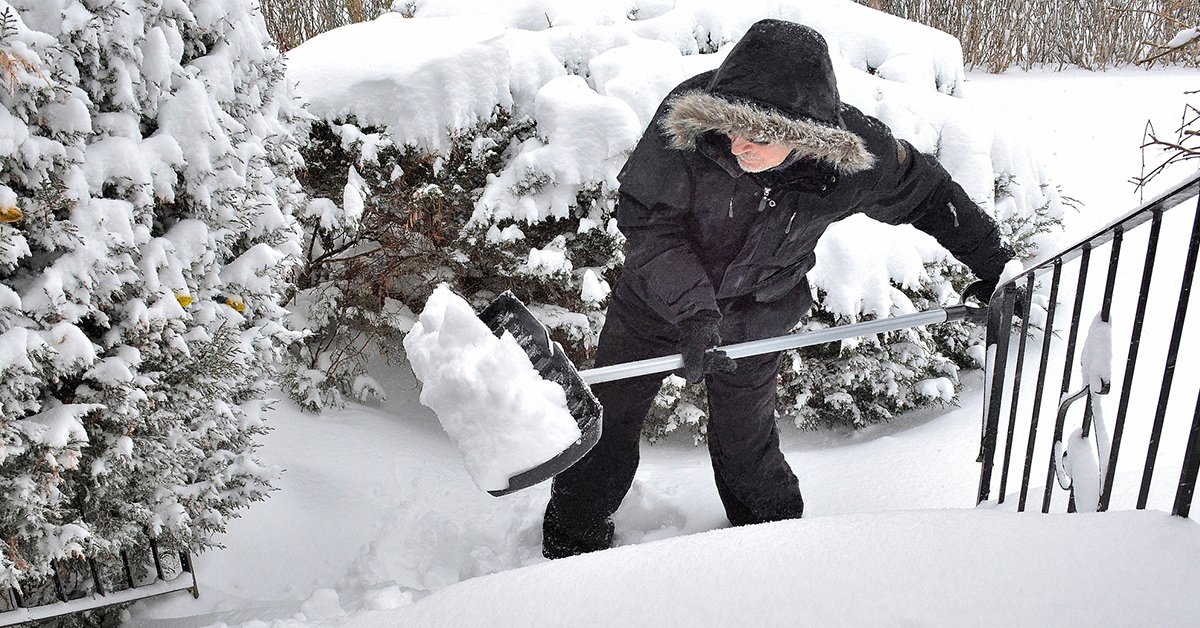
Canadian winters are beautiful — snow-covered streets, cozy fireplaces, warm drinks, and festive vibes. But winter in Canada also means freezing temperatures, icy winds, snowstorms, shorter days, vitamin D deficiency, flu infections, and seasonal mood changes.
That is why maintaining good health during winter is essential for every individual living in Canada, whether you are a student, employee, senior citizen, or newcomer.
This complete guide on winter health tips Canada helps you learn how to:
- strengthen your immune system
- stay warm and safe outdoors
- prevent flu and common winter illnesses
- eat nutritious winter foods
- keep skin healthy and hydrated
- stay mentally strong and motivated
- manage winter weight gain
- exercise safely even in snow
Let’s begin your journey toward a healthy Canadian winter lifestyle.
1. Understand the Canadian Winter Climate
Canada is known for some of the coldest winters in the world. In many regions, temperatures drop below −20°C and sometimes even −40°C. Snow, ice, chilly winds, black ice, and blizzards make daily life challenging.
Common winter health risks in Canada include:
- common cold and flu
- frostbite and hypothermia
- vitamin D deficiency
- dry skin and cracked lips
- joint pain and stiffness
- seasonal affective disorder (winter depression)
Once you understand the climate challenges, it becomes easier to prepare and protect your health.
2. Dress in Warm Layers to Stay Safe Outdoors
Proper winter dressing is the most important winter health tip in Canada.
Follow the layering rule:
- Base layer: thermal shirt and leggings to hold body heat
- Middle layer: sweater or fleece for insulation
- Top layer: windproof and waterproof jacket
- Wear insulated boots with grip
- Wear a hat to prevent heat loss through the head
- Always wear gloves or mittens
- Cover your face and ears during strong wind chill
Avoid cotton as it traps moisture and increases cold exposure.
3. Keep Your Immune System Strong
A strong immune system helps your body fight winter infections, flu, and cold.
Boost immunity by:
- eating fresh fruits and vegetables
- drinking warm liquids like soups and herbal teas
- getting enough protein daily
- maintaining adequate sleep
- staying active
Essential immune-boosting nutrients include:
- Vitamin C
- Vitamin D
- Zinc
- Iron
- Antioxidants
A balanced diet is always better than relying only on supplements.
4. Eat a Nutritious Winter Diet
Canada’s winter often reduces fresh produce availability. However, you can still maintain a healthy diet.
Include:
- seasonal fruits such as apples, oranges, pears, pomegranate
- leafy greens like spinach, kale, and cabbage
- root vegetables like carrots, sweet potatoes, and beets
- whole grains such as oats, quinoa, and brown rice
- healthy fats from nuts, seeds, and avocados
Warm meals like soups, stews, lentils, and porridges keep your body energetic and comfortable.
Limit:
- sugary foods
- processed snacks
- excessive caffeine
- carbonated drinks
5. Stay Hydrated Even in Cold Weather
Many people drink less water in winter because they don’t feel thirsty. But dehydration still occurs.
Benefits of staying hydrated:
- prevents dry skin
- improves energy levels
- helps digestion
- prevents headaches
- supports immunity
Drink:
- warm water
- herbal teas
- clear soups
Avoid too many sugary or alcoholic drinks as they cause dehydration.
6. Maintain Regular Exercise Routine
Winter often leads to inactivity, weight gain, and lethargy. Exercise is essential for:
- circulation
- heart health
- immune strength
- mental well-being
- flexibility
- warmth generation
You can:
- join indoor gym or fitness classes
- practice yoga and stretching
- walk in malls or indoor tracks
- do home workouts
Outdoor activities such as skiing, ice skating, snow shoeing, and winter hiking are great, but ensure safety from frostbite and falls.
7. Get Enough Sleep and Rest
Cold weather and dark mornings make people feel sleepy, but many still don’t get sufficient rest. Proper sleep improves:
- brain function
- hormonal balance
- mood regulation
- immunity
- metabolism
Create a winter sleep routine:
- sleep 7–8 hours daily
- avoid heavy meals at night
- reduce screen time before bed
- maintain warm bedroom temperature
8. Take Care of Skin and Hair in Winter
Cold air outside and indoor heating cause extreme dryness leading to cracked lips, itchy skin, dandruff, and hair fall.
Winter skin-care tips:
- apply moisturizer after shower
- use lip balm regularly
- avoid very hot showers
- use humidifier indoors
- stay hydrated
- protect skin from cold wind
For hair:
- oil scalp gently
- use sulfate-free shampoo
- avoid washing hair with very hot water
9. Protect Yourself from Flu and Infections
Winter in Canada is also flu season. To protect yourself:
- wash hands frequently
- avoid touching your face with unwashed hands
- cover mouth while sneezing or coughing
- stay home when sick
- maintain personal hygiene
Strong immunity, hygiene, nutrition, and rest collectively reduce risk of illness.
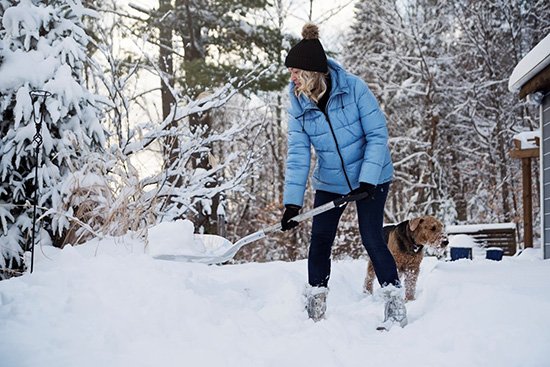
10. Prevent Frostbite and Hypothermia
Extreme cold can cause serious medical emergencies.
Signs of Frostbite
- pale or greyish skin
- numbness
- blisters
- hard skin texture
Signs of Hypothermia
- shivering
- confusion
- slurred speech
- drowsiness
To prevent these:
- avoid long exposure outdoors
- keep clothes dry
- wear thermal socks and gloves
- stay indoors during severe wind chill or storms
Seek medical help immediately if symptoms appear.
11. Keep Your Home Winter-Ready
A safe home environment is essential for health.
Ensure:
- proper heating system
- clean ventilation
- functional smoke and carbon monoxide detectors
- adequate lighting to avoid falls
- carpets or mats to prevent slipping on wet floors
12. Look After Your Mental Health in Winter
Short daylight hours can cause low mood, stress, sadness, or seasonal depression. This is commonly called Seasonal Affective Disorder (SAD).
Mental wellness tips:
- spend time in sunlight
- keep your room bright
- talk to friends and family
- pursue hobbies
- practice meditation or breathing exercises
- stay socially connected
Never ignore ongoing sadness or anxiety — mental health is as important as physical health.
13. Be Careful While Driving in Winter
Winter road safety is directly related to winter health. Accidents increase due to snow and ice.
Safety tips:
- use winter tires
- drive slowly
- maintain distance from other vehicles
- avoid unnecessary travel during storms
- keep emergency kit in car
14. Keep Children and Elderly Extra Safe
Children lose heat faster and seniors often have weak immunity. Extra care is essential.
For children:
- dress warmly
- keep them active indoors
- ensure nutrition and hydration
For seniors:
- monitor temperature and medications
- ensure safe floor surfaces
- encourage light exercise
- maintain regular checkups when necessary
15. Avoid Winter Weight Gain
Cold weather increases hunger and cravings for high-calorie foods. To manage weight:
- eat small frequent meals
- include protein and fiber
- limit sugar and junk foods
- continue exercise routine
Balanced choices lead to better energy and fitness.
16. Build Healthy Winter Habits
Healthy winter habits include:
- hand hygiene
- daily stretching
- balanced meals
- adequate sleep
- staying positive
- limiting screen time
- spending time outdoors when weather allows
Winter is not only about survival — it is an opportunity to recharge, reflect, and rebuild healthy routines.
Frequently Asked Questions (FAQ)
1. What is the best way to stay healthy in winter in Canada?
Eat nutritious food, layer clothing, exercise, sleep well, and protect yourself from cold and flu.
2. How can I boost immunity naturally in Canadian winter?
Consume fruits, vegetables, warm liquids, and maintain regular physical activity and sleep.
3. Why do people feel sad during winter?
Short daylight hours and cold weather may cause seasonal mood changes.
4. How much water should we drink in winter?
Aim for 6–8 glasses daily, including warm liquids.
5. Is exercise safe in winter?
Yes, when done safely indoors or outdoors with proper warm clothing and precautions.
Conclusion
Winter in Canada can be long and extremely cold, but with the right winter health tips, you can stay warm, energetic, and healthy all season. Focus on balanced nutrition, layered clothing, physical activity, hydration, mental well-being, and safety.
Instead of fearing winter, embrace it as a season of comfort, reflection, and personal growth.



xn88 – Tổng quan sàn cược trực tuyến an toàn được cấp giấy phép hoạt động bởi các cơ quan quản lý cá cược quốc tế, như PAGCOR (Philippine Amusement and Gaming Corporation) và Curacao eGaming. Điều này không chỉ chứng tỏ rằng xn88 – Tổng quan sàn cược trực tuyến an toàn tuân thủ các quy định nghiêm ngặt về cá cược mà còn đảm bảo rằng người chơi sẽ được bảo vệ quyền lợi hợp pháp. TONY03-09
Slot tại Slot365 – Nhà Cái Quay Hũ Đổi Thưởng Đỉnh Cao & Casino Trực Tuyến 2024 có cơ chế “hot/cold indicator” – cho biết game đang trong chu kỳ trả thưởng cao hay thấp, giúp bạn đưa ra quyết định chơi hợp lý hơn. TONY03-09
CitrusBurn is a dietary supplement designed to support weight loss by boosting metabolism, increasing energy levels, and helping control appetite. citrus burn
NeuroSalt and NeuroZoom are both designed to support brain health, focus, and mental clarity, but they differ significantly in their approach and effectiveness. Neuro Zoom Supplement
Thanx for the effort, keep up the good work Great work, I am going to start a small Blog Engine course work using your site I hope you enjoy blogging with the popular BlogEngine.net.Thethoughts you express are really awesome. Hope you will right some more posts.
Mình thường ưu tiên những nơi dễ dùng và hiện tại xn88 bet đáp ứng khá tốt. TONY05-22
Nội dung bài viết rất dễ hiểu slot365 vip TONY05-22
Điều mình hài lòng là xn88 gaming tải game nhanh kể cả giờ cao điểm. TONY07-20
Find the least common multiple fast with the LCM Calculator. 4deee167.