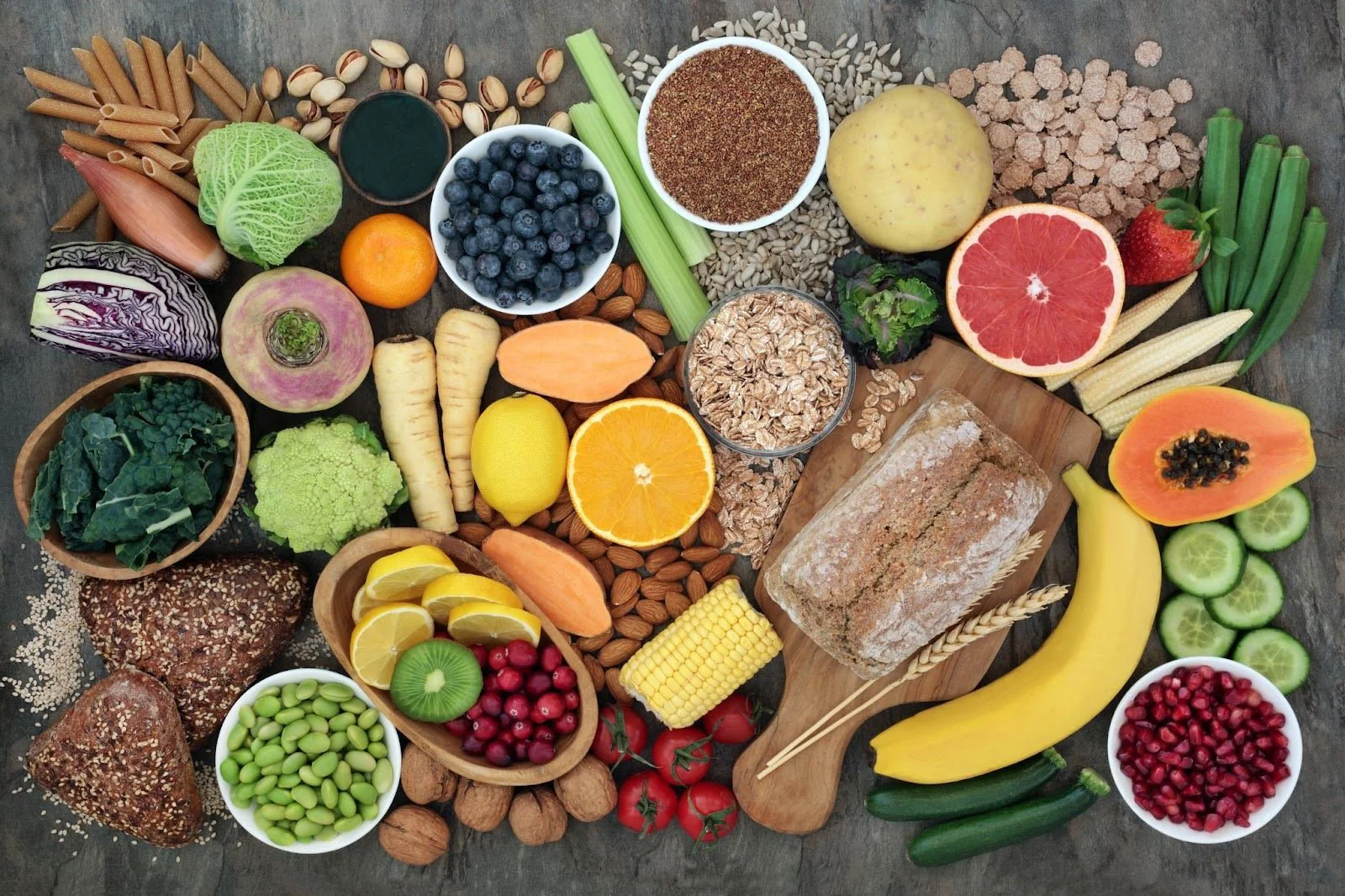
In today’s fast-paced world, many people eat whatever is quick and convenient. Processed foods, sugary snacks, and fast food often replace home-cooked meals. Over time, this can lead to weight gain, low energy, and health problems. That’s why understanding a Balanced Diet is so important.
But what exactly is a Balanced Diet?
In simple words, a Balanced Diet means eating the right types of food in the right amounts to give your body all the nutrients it needs to function properly. It’s not about starving yourself or following extreme diets. It’s about balance, variety, and moderation.
In this complete guide, you will learn everything about a Balanced Diet in easy language — what it includes, why it matters, how to build one, common mistakes, and practical tips to follow it daily.
What Is a Balanced Diet?
A Balanced Diet is a way of eating that provides your body with:
- Carbohydrates
- Proteins
- Fats
- Vitamins
- Minerals
- Fiber
- Water
All these nutrients work together to maintain:
- Energy levels
- Muscle strength
- Brain function
- Healthy digestion
- Strong immunity
- Proper growth and repair
When your diet lacks one or more nutrients, your body may show signs like fatigue, weakness, poor immunity, or weight problems.
Simply put, a Balanced Diet gives your body everything it needs — not too much and not too little.
Why Is a Balanced Diet Important?
A Balanced Diet plays a major role in overall health. Here’s why it matters:
1. Provides Energy
Carbohydrates and fats provide fuel for daily activities.
2. Builds and Repairs Tissues
Protein helps build muscles and repair damaged tissues.
3. Supports Immunity
Vitamins and minerals strengthen the immune system.
4. Maintains Healthy Weight
Balanced nutrition prevents overeating and unhealthy cravings.
5. Improves Brain Function
Proper nutrients support memory, focus, and mood.
Without a Balanced Diet, your body cannot function efficiently.
Main Components of a Balanced Diet
Understanding the nutrients makes it easier to follow a Balanced Diet.
1. Carbohydrates
Carbohydrates are your body’s primary energy source.
Healthy Sources:
- Brown rice
- Whole wheat bread
- Oats
- Fruits
- Vegetables
- Millets
Avoid excessive refined carbs like white bread and sugary snacks.
Carbohydrates should make up about 45–60% of your Balanced Diet.
2. Protein
Protein is essential for muscle growth and repair.
Healthy Sources:
- Eggs
- Chicken
- Fish
- Lentils
- Beans
- Tofu
- Greek yogurt
Protein keeps you full and supports metabolism. It should be a key part of a Balanced Diet.
3. Healthy Fats
Fats are often misunderstood. Healthy fats are necessary for:
- Brain function
- Hormone production
- Vitamin absorption
Healthy Sources:
- Nuts
- Seeds
- Olive oil
- Avocado
- Fatty fish
Avoid trans fats and excessive fried foods.
4. Vitamins and Minerals
These micronutrients support various body functions.
Examples:
- Vitamin C (immunity)
- Vitamin D (bone health)
- Iron (blood health)
- Calcium (bones and teeth)
Fruits and vegetables are essential in a Balanced Diet to provide these nutrients.
5. Fiber
Fiber helps with digestion and keeps you full.
Sources include:
- Vegetables
- Fruits
- Whole grains
- Seeds
A Balanced Diet should include sufficient fiber to support gut health.
6. Water
Hydration is part of a Balanced Diet.
Water:
- Aids digestion
- Regulates body temperature
- Supports metabolism
Aim for 2–3 liters daily.
What Does a Balanced Diet Look Like on a Plate?
A simple way to understand a Balanced Diet is using the plate method:
- Half plate: Vegetables and fruits
- One quarter: Protein
- One quarter: Whole grains
- Small portion: Healthy fats
This visual guide helps maintain balance without complicated calculations.
Balanced Diet for Weight Management
A Balanced Diet is essential for both weight loss and weight maintenance.
For Weight Loss:
- Focus on portion control
- Increase protein
- Add fiber-rich foods
- Reduce sugar
For Weight Gain:
- Increase calorie intake with healthy foods
- Add protein and healthy fats
- Eat frequent meals
Balance is the key in both cases.
Common Myths About Balanced Diet
Myth 1: Balanced Diet Means No Junk Food
Truth: Occasional treats are okay. Balance matters.
Myth 2: Carbs Are Bad
Truth: Whole carbs are essential in a Balanced Diet.
Myth 3: Fat Makes You Fat
Truth: Healthy fats are necessary for hormone balance.
Myth 4: Skipping Meals Is Healthy
Truth: Skipping meals disrupts nutrient balance.
Signs You Are Not Following a Balanced Diet
You may not be eating a Balanced Diet if you experience:
- Constant fatigue
- Hair loss
- Weak immunity
- Frequent cravings
- Digestive issues
- Mood swings
These signs indicate nutrient imbalance.
How to Start a Balanced Diet (Simple Steps)
Following a Balanced Diet does not require complicated rules.
Step 1: Add Protein to Every Meal
Step 2: Fill Half Your Plate with Vegetables
Step 3: Choose Whole Grains
Step 4: Limit Processed Foods
Step 5: Drink Enough Water
Step 6: Practice Portion Control
Small changes create long-term results.
Sample Balanced Diet Meal Plan
Breakfast:
Oats + milk + nuts + fruit
Lunch:
Brown rice + dal + mixed vegetables + salad
Snack:
Greek yogurt + seeds
Dinner:
Grilled chicken or tofu + sautéed vegetables
This is a simple example of a Balanced Diet.
Balanced Diet for Different Age Groups
Children:
Need more nutrients for growth.
Adults:
Focus on maintaining weight and energy.
Elderly:
Need higher protein and calcium.
A Balanced Diet should be adjusted based on age and activity level.
Balanced Diet and Exercise
Nutrition and exercise work together.
Without a Balanced Diet:
- Workout results suffer
- Muscle recovery slows
- Energy levels drop
Balanced nutrition enhances performance and recovery.
Mistakes to Avoid While Following a Balanced Diet
- Extreme dieting
- Cutting entire food groups
- Ignoring portion sizes
- Overeating healthy foods
- Not planning meals
Moderation is always better than restriction.
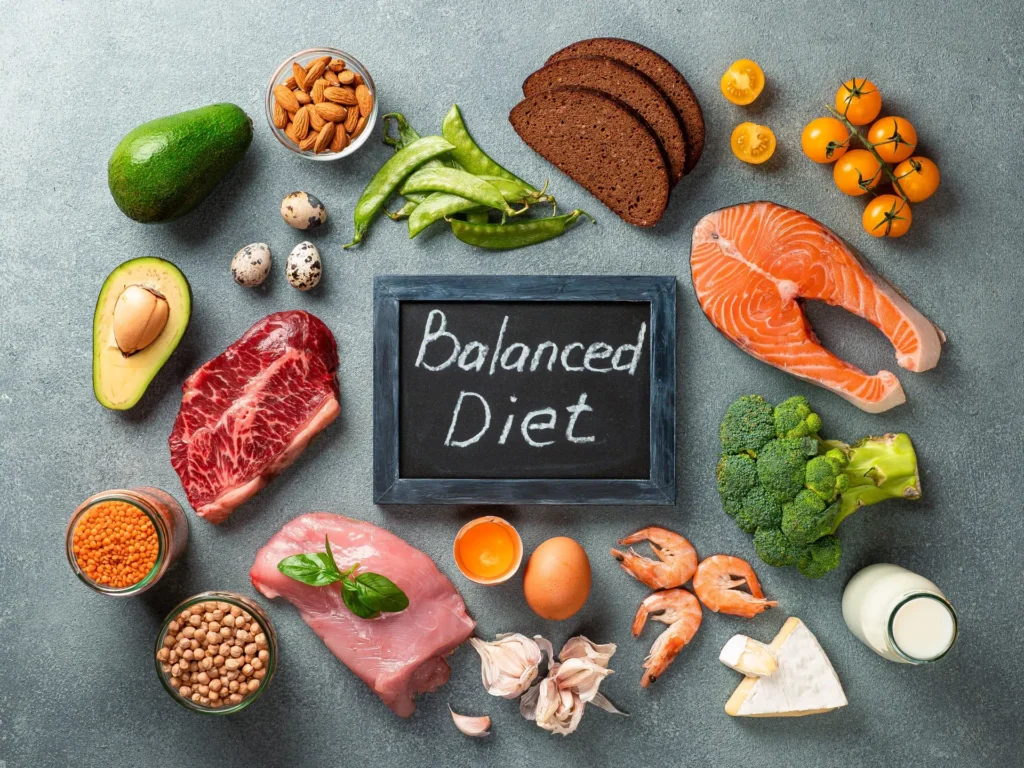
Benefits of Following a Balanced Diet Long-Term
When you consistently follow a Balanced Diet, you may notice:
- Improved energy
- Better digestion
- Healthy weight
- Clearer skin
- Stronger immunity
- Reduced risk of chronic diseases
It’s not a short-term diet — it’s a lifestyle.
Balanced Diet vs Fad Diets
Fad diets promise quick results but often:
- Eliminate major nutrients
- Cause nutritional deficiencies
- Lead to rebound weight gain
A Balanced Diet focuses on sustainability.
How to Maintain a Balanced Diet in Busy Life
- Meal prep on weekends
- Keep healthy snacks ready
- Avoid skipping meals
- Choose simple recipes
- Plan grocery shopping
Consistency matters more than perfection.
Psychological Benefits of a Balanced Diet
Nutrition affects mental health.
A Balanced Diet can:
- Improve mood
- Reduce anxiety
- Enhance focus
- Stabilize blood sugar
Food directly impacts brain function.
Balanced Diet and Disease Prevention
Long-term balanced eating reduces risk of:
- Diabetes
- Heart disease
- Obesity
- High blood pressure
- Nutrient deficiencies
Prevention is better than treatment.
Conclusion
A Balanced Diet is not about strict rules, starving, or eliminating your favorite foods. It is about giving your body the right nutrients in the right amounts.
When you eat a Balanced Diet, you support:
- Energy
- Strength
- Immunity
- Healthy weight
- Long-term wellness
Start small. Make simple adjustments. Add more vegetables, choose whole grains, increase protein, drink enough water, and reduce processed foods.
Healthy living does not require perfection — it requires balance.
If you consistently follow a Balanced Diet, you build a strong foundation for a healthier, happier life.


I was very pleased to find this web-site.I wanted to thanks for your time for this wonderful read!! I definitely enjoying every little bit of it and I have you bookmarked to check out new stuff you blog post.
**neurosharp**
Neuro Sharp is a modern brain-support supplement created to help you think clearly, stay focused, and feel mentally confident throughout the day.
Alright, so I gave Casino Mayan Palace a shot. Cool theme, but honestly the interface could use some work. The games themselves are decent though. Give it a try, maybe you’ll have better luck than me! Check it out here: casinomayanpalace
trang chủ 66b cung cấp cho người chơi hơn 35+ ngân hàng nội địa đi kèm với nhiều phương thức giao dịch khác bao gồm: Ví điện tử, Thẻ cào, QR Pay và USDT. Bạn chỉ mất 18 giây để nạp tiền và 2 phút để rút tiền thành công về tài khoản chính chủ, tất cả đều miễn phí và xanh chín. TONY05-09
66B cam kết không can thiệp vào kết quả trò chơi. Hệ thống RNG (Random Number Generator) được kiểm toán định kỳ bởi GLI – tổ chức kiểm định hàng đầu thế giới trong lĩnh vực iGaming. TONY05-09
Sự tích hợp đa phương thức thanh toán tại xn88 từ chuyển khoản ngân hàng đến tiền điện tử, mang lại sự tiện lợi và linh hoạt tối đa cho quý khách hàng. TONY05-28
Slot tại XN88 nhà cái có chế độ “pause” – tạm dừng ván chơi nếu có việc đột xuất, quay lại sau vẫn giữ nguyên trạng thái. TONY05-28