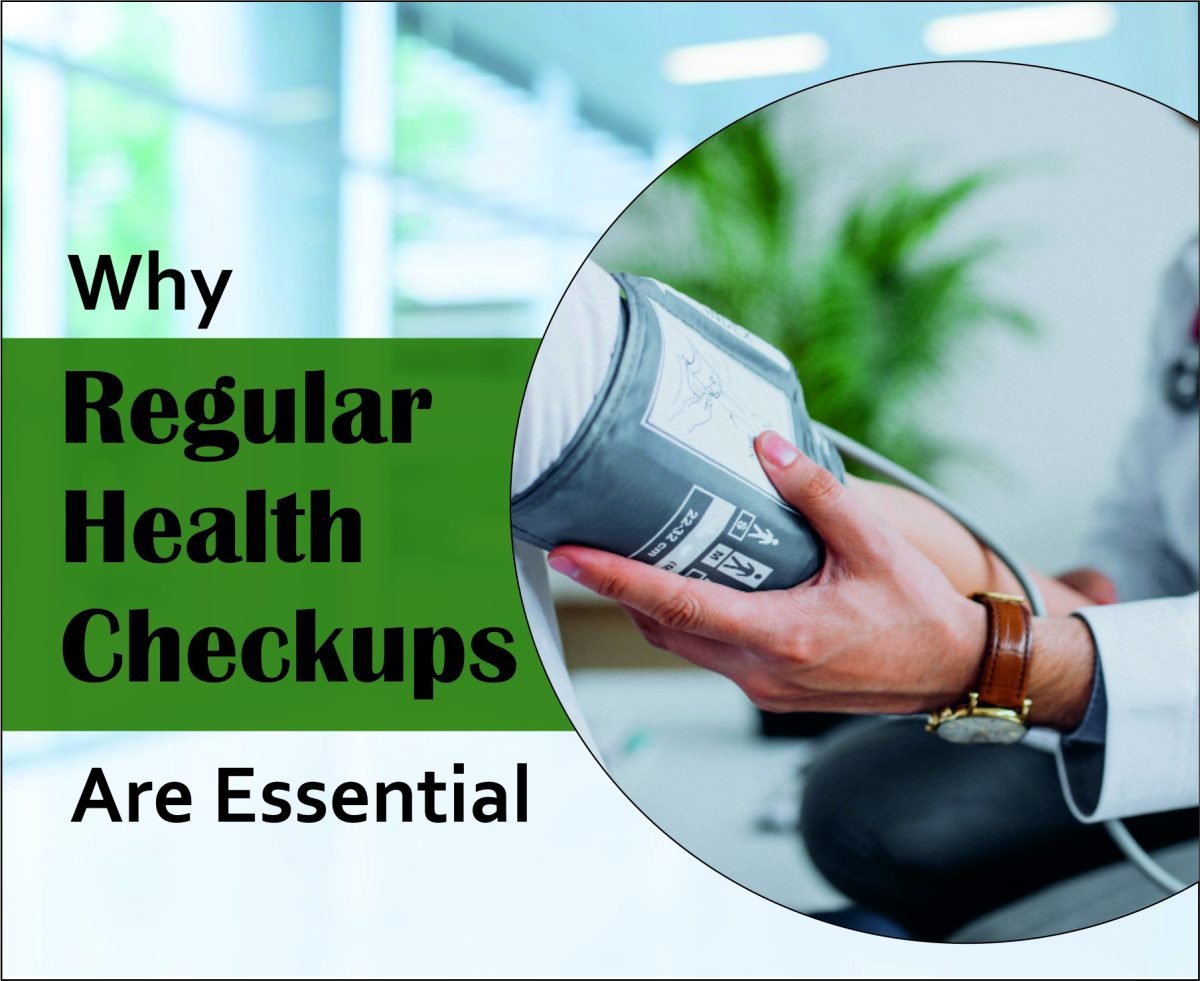
In today’s fast-paced world, many people focus on treatment rather than prevention. However, preventive healthcare is the key to maintaining long-term well-being. One of the most effective ways to stay healthy is by scheduling Regular Health Checkups.
Regular medical checkups help detect diseases at an early stage, even before symptoms appear. Early detection allows timely treatment, reduces complications, and increases the chances of successful recovery.
This comprehensive guide explains the importance of Regular Health Checkups, their benefits, recommended tests, and how they contribute to better long-term health.
What Are Regular Health Checkups?
Regular Health Checkups are routine medical examinations performed to assess overall health status. They include physical exams, blood tests, screenings, and lifestyle assessments.
These checkups help:
- Detect diseases early
- Monitor existing health conditions
- Prevent future complications
- Improve overall wellness
Preventive care is always better than emergency treatment.
Why Regular Health Checkups Are Important
Many serious diseases develop silently without visible symptoms in early stages. Conditions like diabetes, high blood pressure, and heart disease may remain unnoticed for years.
Regular Health Checkups help:
- Identify health risks early
- Reduce healthcare costs
- Prevent disease progression
- Improve life expectancy
- Promote healthy lifestyle awareness
Early diagnosis significantly improves treatment outcomes.
Benefits of Regular Health Checkups
1. Early Disease Detection
Early detection is one of the biggest advantages of routine screenings. Many diseases can be managed effectively if identified early.
Examples:
- Cancer screening
- Diabetes testing
- Blood pressure monitoring
- Cholesterol check
Early intervention saves lives.
2. Prevention of Chronic Diseases
Regular checkups help monitor risk factors and prevent chronic conditions from developing.
They support prevention of:
- Heart disease
- Stroke
- Diabetes
- Kidney disease
- Obesity
Prevention reduces long-term complications.
3. Better Management of Existing Conditions
For people with ongoing health issues, regular monitoring ensures:
- Proper medication adjustment
- Disease control
- Reduced complications
- Improved quality of life
Consistent monitoring is essential for chronic disease management.
4. Cost-Effective Healthcare
Treating advanced diseases can be expensive. Early detection through Regular Health Checkups helps:
- Reduce hospitalization
- Avoid emergency treatments
- Lower medical expenses
Preventive care is more affordable than critical care.
5. Improved Mental Peace
Knowing your health status reduces anxiety. Regular medical evaluations provide reassurance and confidence about your well-being.
6. Encourages Healthy Lifestyle Changes
Doctors often provide guidance during checkups about:
- Diet improvements
- Exercise routines
- Stress management
- Smoking cessation
This advice helps improve long-term health outcomes.
Recommended Regular Health Checkups by Age Group
Children and Teenagers
- Growth monitoring
- Vaccinations
- Vision and dental exams
- Nutritional assessments
Adults (20–40 Years)
- Blood pressure check
- Blood sugar test
- Cholesterol test
- Weight monitoring
- General physical exam
Adults (40+ Years)
- Heart screening
- Diabetes screening
- Cancer screenings
- Bone density test
- Liver and kidney function tests
Senior Citizens
- Frequent blood pressure monitoring
- Memory evaluation
- Vision and hearing tests
- Cardiovascular assessments
Common Tests in Regular Health Checkups
1. Blood Pressure Test
Helps detect hypertension early.
2. Blood Sugar Test
Identifies risk of diabetes.
3. Cholesterol Test
Assesses heart disease risk.
4. Complete Blood Count (CBC)
Checks overall health and detects infections.
5. Liver Function Test
Evaluates liver health.
6. Kidney Function Test
Monitors kidney performance.
Regular Health Checkups and Early Disease Detection
Early disease detection plays a vital role in increasing survival rates. Many life-threatening conditions can be controlled when identified early.
For example:
- Early-stage cancer is often treatable.
- Early diabetes can be managed with lifestyle changes.
- Early hypertension can prevent heart complications.
Routine screenings are essential for preventive healthcare.
How Often Should You Get Health Checkups?
The frequency depends on age, medical history, and risk factors.
General guidelines:
- Young adults: Once every 1–2 years
- Middle-aged adults: Once per year
- Seniors: Every 6–12 months
- Individuals with chronic diseases: As advised by a doctor
Always follow medical recommendations.
Lifestyle Factors That Make Checkups Important
Certain habits increase the need for Regular Health Checkups:
- Smoking
- Poor diet
- Sedentary lifestyle
- Family history of disease
- High stress levels
- Obesity
If you have these risk factors, regular monitoring becomes even more critical.
Regular Health Checkups and Preventive Healthcare
Preventive healthcare focuses on stopping diseases before they start.
It includes:
- Screenings
- Vaccinations
- Health counseling
- Early treatment
Regular checkups are the foundation of preventive medicine.
How to Prepare for a Health Checkup
To get accurate results:
- Fast if required
- Bring medical records
- List current medications
- Note symptoms
- Be honest about lifestyle habits
Preparation ensures better evaluation.

Common Myths About Health Checkups
Myth 1: I feel healthy, so I don’t need checkups.
Truth: Many diseases show no early symptoms.
Myth 2: Checkups are only for sick people.
Truth: They are for prevention, not just treatment.
Myth 3: They are too expensive.
Truth: Prevention saves money in the long run.
Regular Health Checkups and Long-Term Health
Long-term health depends on consistent monitoring and lifestyle management.
Benefits include:
- Increased life expectancy
- Better quality of life
- Reduced disease risk
- Improved energy levels
- Early intervention
Regular monitoring ensures sustainable wellness.
Tips to Maintain Good Health Between Checkups
- Eat a balanced diet
- Exercise regularly
- Get adequate sleep
- Manage stress
- Stay hydrated
- Avoid smoking and excessive alcohol
Healthy habits complement medical checkups.
Frequently Asked Questions (FAQs)
1. Why are Regular Health Checkups important?
Regular Health Checkups help detect diseases early, monitor overall health, prevent complications, and improve long-term wellness.
2. How do Regular Health Checkups help in early disease detection?
They include screenings and tests that identify health issues like diabetes, high blood pressure, and heart disease before symptoms appear.
3. How often should adults get Regular Health Checkups?
Most adults should have a checkup once a year. However, people with chronic conditions may need more frequent visits as advised by a doctor.
4. What tests are included in Regular Health Checkups?
Common tests include blood pressure measurement, blood sugar test, cholesterol test, complete blood count (CBC), and organ function tests.
5. Are Regular Health Checkups necessary if I feel healthy?
Yes. Many serious diseases develop silently without early symptoms. Checkups help identify risks before they become serious.
6. Can Regular Health Checkups prevent diseases?
While they do not directly prevent diseases, they help in early detection and timely treatment, which reduces complications and long-term risks.
7. Are health checkups expensive?
They are generally affordable and cost much less than treating advanced diseases. Preventive care helps reduce long-term medical expenses.
8. Do children and seniors need Regular Health Checkups?
Yes. Children need growth monitoring and vaccinations, while seniors require more frequent health assessments.
9. What should I do before a health checkup?
Follow fasting instructions if required, bring previous medical reports, list current medications, and inform the doctor about any symptoms.
10. How do Regular Health Checkups improve long-term health?
They help track health changes, encourage healthy lifestyle habits, detect problems early, and support overall wellness and longevity.
Conclusion
Regular Health Checkups are one of the most powerful tools for maintaining long-term health. They help detect diseases early, prevent complications, and promote a healthier lifestyle.
By making routine medical examinations a priority, you invest in your future well-being. Prevention is always better than cure.
Start scheduling your Regular Health Checkups today and take control of your health for a better tomorrow.



Its such as you read my mind! You appear to know so much approximately this, such as you wrote the e-book in it or something. I think that you simply can do with some percent to force the message house a little bit, but instead of that, that is fantastic blog. An excellent read. I will certainly be back.
so much superb info on here, :D.
Greetings from Florida! I’m bored to death at work so I decided to check out your blog on my iphone during lunch break. I enjoy the info you provide here and can’t wait to take a look when I get home. I’m surprised at how fast your blog loaded on my mobile .. I’m not even using WIFI, just 3G .. Anyhow, excellent blog!
Very interesting topic, thankyou for posting.
I regard something genuinely special in this site.
Mình thích giao diện của xn88 win vì không quá rối mắt. TONY07-08