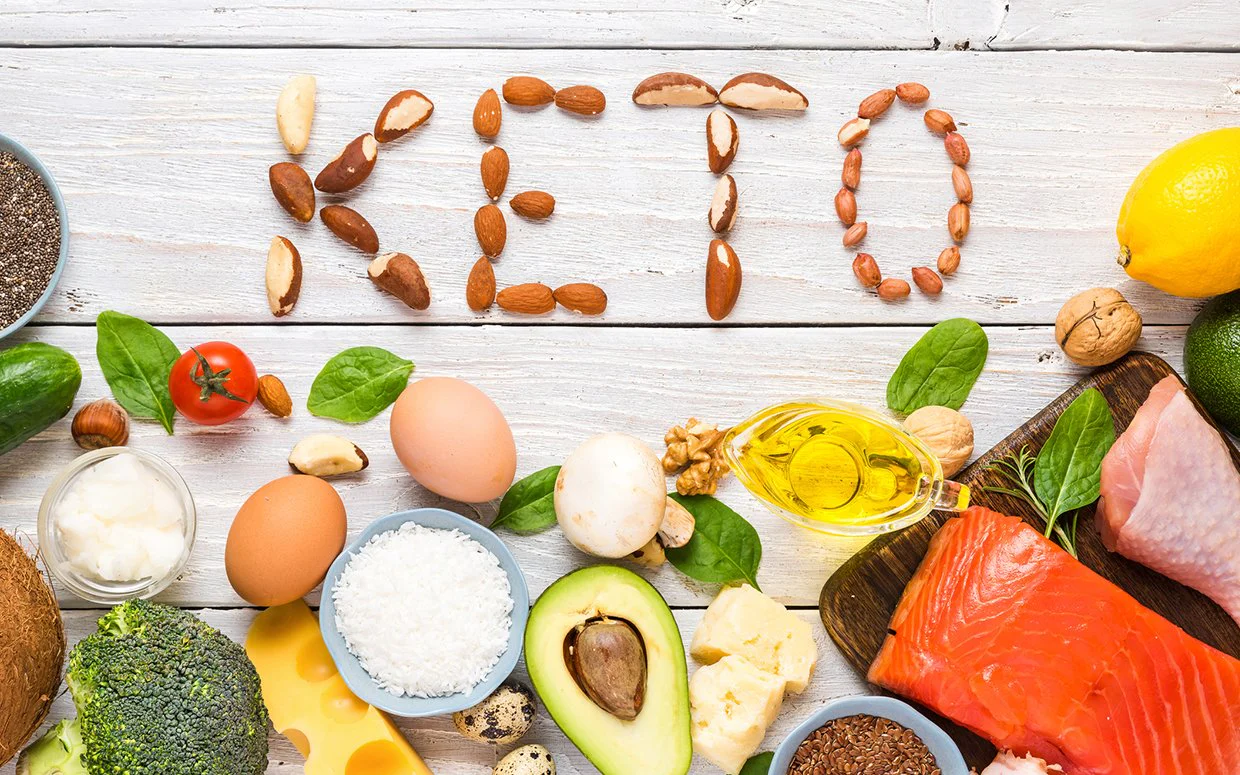
If you’re looking to lose weight, improve energy levels, and transform your health, then a Keto Diet Plan might be exactly what you need. Over the past few years, the ketogenic diet has gained massive popularity—and for good reason. It’s simple, effective, and backed by science.
In this complete step-by-step guide for 2026, you’ll learn everything you need to know about starting a Keto Diet Plan, even if you’re a total beginner.
What is a Keto Diet Plan?
A Keto Diet Plan (short for ketogenic diet) is a low-carb, high-fat, and moderate-protein eating plan. The main goal is to shift your body into a metabolic state called ketosis, where your body burns fat for fuel instead of carbohydrates.
How It Works:
- Reduce carbohydrate intake (usually under 50g per day)
- Increase healthy fats
- Maintain moderate protein intake
When carbs are low, your body produces ketones, which become your primary energy source.
Benefits of a Keto Diet Plan
Before diving into the steps, it’s important to understand why people choose this diet.
1. Rapid Weight Loss
The Keto Diet Plan helps your body burn stored fat efficiently, leading to noticeable weight loss—especially in the first few weeks.
2. Improved Energy Levels
Once your body adapts, you’ll experience stable energy throughout the day without sugar crashes.
3. Better Mental Focus
Ketones are a powerful fuel for the brain, improving clarity and focus.
4. Blood Sugar Control
Keto helps reduce insulin spikes, making it beneficial for people with insulin resistance.
5. Reduced Cravings
You’ll feel fuller for longer, reducing hunger and unnecessary snacking.
Step-by-Step Keto Diet Plan for Beginners
Let’s break down exactly how to start your Keto Diet Plan in a simple and practical way.
Step 1: Understand Your Macros
Your diet should follow this general ratio:
- 70–75% Fat
- 20–25% Protein
- 5–10% Carbohydrates
Example:
If you eat 2000 calories per day:
- Fat: ~155g
- Protein: ~100g
- Carbs: ~25–40g
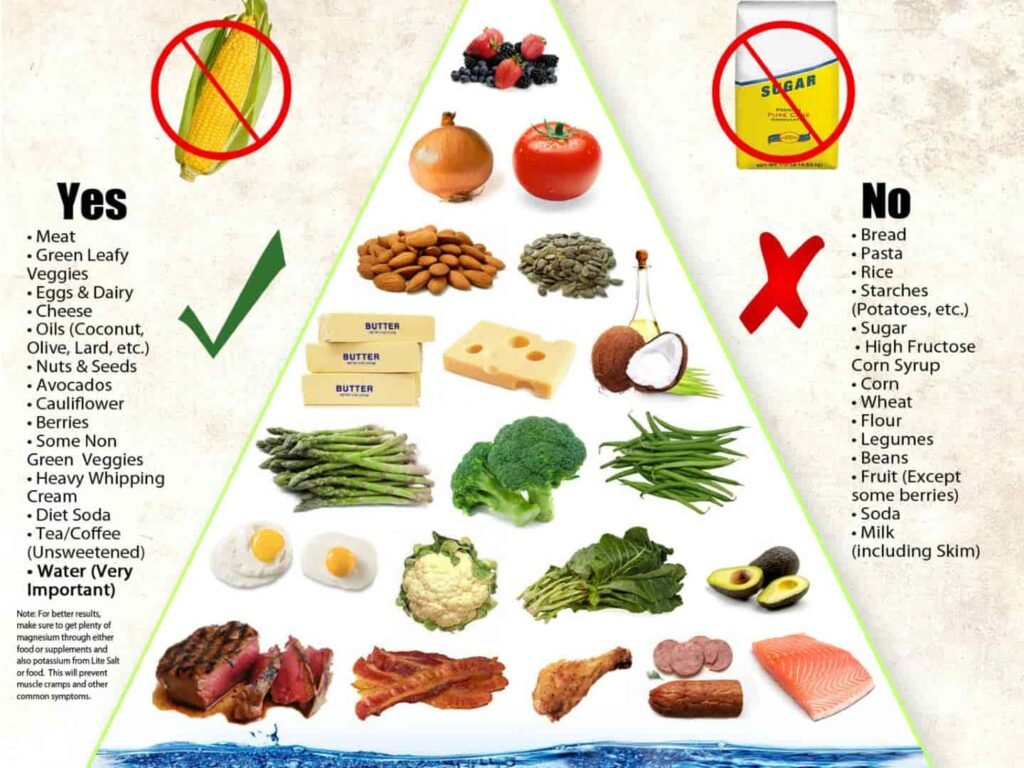
Step 2: Know What to Eat
✅ Keto-Friendly Foods
Healthy Fats
- Butter
- Ghee
- Coconut oil
- Olive oil
- Avocados
Protein Sources
- Eggs
- Chicken
- Fish
- Mutton
- Paneer
Low-Carb Vegetables
- Spinach
- Broccoli
- Cauliflower
- Zucchini
- Cabbage
Dairy
- Cheese
- Cream
- Greek yogurt (unsweetened)
Nuts & Seeds
- Almonds
- Walnuts
- Chia seeds
- Flax seeds
❌ Foods to Avoid
- Sugar (sweets, soft drinks)
- Rice
- Wheat (roti, bread)
- Pasta
- Potatoes
- High-carb fruits (banana, mango)
Step 3: Create Your Daily Meal Plan
Here’s a simple beginner-friendly Keto Diet Plan for a day:
Breakfast
- 2 boiled eggs
- Avocado slices
- Black coffee (no sugar)
Lunch
- Grilled chicken
- Salad with olive oil dressing
Snack
- Handful of almonds
Dinner
- Paneer or fish
- Stir-fried vegetables in butter
Step 4: Enter Ketosis
It usually takes 2–7 days to enter ketosis.
Signs You’re in Ketosis:
- Reduced appetite
- Increased energy
- Bad breath (keto breath)
- Frequent urination
Step 5: Stay Hydrated
Keto causes your body to lose water quickly.
Tips:
- Drink 3–4 liters of water daily
- Add electrolytes (salt, potassium, magnesium)
Step 6: Deal with Keto Flu
In the first week, you may experience:
- Headache
- Fatigue
- Dizziness
This is normal and temporary.
Solution:
- Drink more water
- Increase salt intake
- Rest properly
Step 7: Track Your Progress
Use tools or apps to monitor:
- Weight
- Body measurements
- Daily food intake
Tracking helps you stay consistent with your Keto Diet Plan.
Common Mistakes to Avoid
1. Eating Too Much Protein
Excess protein can kick you out of ketosis.
2. Not Eating Enough Fat
Fat is your main energy source—don’t avoid it.
3. Hidden Carbs
Sauces and packaged foods often contain hidden sugars.
4. Lack of Electrolytes
This leads to fatigue and cramps.
Weekly Keto Diet Plan (Sample)
Day 1
- Eggs + Avocado
- Chicken salad
- Paneer dinner
Day 2
- Omelette
- Fish curry (low-carb)
- Vegetable stir-fry
Day 3
- Bulletproof coffee
- Grilled chicken
- Cheese + veggies
(Continue similar variations for the week)
Vegetarian Keto Diet Plan
If you’re vegetarian, don’t worry.
Options:
- Paneer
- Tofu
- Cheese
- Nuts & seeds
- Low-carb vegetables
Keto Diet Plan for Indians
You can easily follow keto with Indian foods:
Keto Indian Foods:
- Paneer butter masala (without sugar)
- Egg bhurji
- Chicken curry (no flour)
- Coconut-based dishes
Supplements for Keto Diet Plan
Not mandatory, but helpful:
- Electrolytes
- Omega-3
- Magnesium
- Vitamin D
How Long Should You Follow Keto?
You can follow a Keto Diet Plan for:
- Short-term weight loss (4–12 weeks)
- Long-term lifestyle (with proper guidance)
Is Keto Safe?
For most people, yes. But avoid or consult a doctor if:
- You are pregnant
- You have kidney issues
- You have serious medical conditions
Keto Diet Plan Results Timeline
Week 1
- Water weight loss (2–4 kg)
Week 2–4
- Fat loss begins
- Energy improves
Month 2+
- Visible body transformation
Pro Tips for Success
- Plan meals in advance
- Keep keto snacks ready
- Avoid cheat meals initially
- Stay consistent
Frequently Asked Questions (FAQs)
1. What is a Keto Diet Plan?
A Keto Diet Plan is a low-carb, high-fat eating plan designed to help your body enter ketosis, a metabolic state where fat is burned for energy instead of carbohydrates. This diet is commonly used for weight loss, better energy, and improved mental focus.
2. How many carbs can I eat on a Keto Diet Plan?
Most beginners following a Keto Diet Plan should limit carbohydrates to 20–50 grams of net carbs per day. This helps the body maintain ketosis and burn fat more efficiently.
3. How long does it take to enter ketosis?
It usually takes 2 to 7 days to enter ketosis after starting a strict Keto Diet Plan, depending on your carb intake, activity level, and metabolism.
4. What foods are allowed on a Keto Diet Plan?
Foods allowed on a Keto Diet Plan include:
- Eggs
- Meat and fish
- Cheese
- Butter and healthy oils
- Avocados
- Nuts and seeds
- Low-carb vegetables like spinach, broccoli, and cauliflower
5. What foods should I avoid on a Keto Diet Plan?
Avoid high-carb foods such as:
- Sugar
- Bread
- Rice
- Pasta
- Potatoes
- Soft drinks
- Cakes and sweets
These foods can prevent your body from staying in ketosis.
6. Is a Keto Diet Plan good for weight loss?
Yes, a Keto Diet Plan is widely used for weight loss because it helps reduce appetite, burn stored fat, and stabilize blood sugar levels.
7. Can beginners follow a Keto Diet Plan safely?
Yes, beginners can safely start a Keto Diet Plan by reducing carbs gradually, increasing healthy fats, staying hydrated, and managing electrolytes properly.
8. What is keto flu?
Keto flu refers to temporary symptoms like headaches, fatigue, dizziness, and irritability that some people experience in the first week of starting a Keto Diet Plan.
9. Can vegetarians follow a Keto Diet Plan?
Yes, vegetarians can follow a Keto Diet Plan by including foods like paneer, tofu, cheese, nuts, seeds, and low-carb vegetables.
10. How much weight can I lose on a Keto Diet Plan?
Weight loss varies, but many beginners lose 2–4 kg in the first week due to water loss, followed by gradual fat loss over the next few weeks.
Final Thoughts
Starting a Keto Diet Plan might feel challenging at first, but once your body adapts, it becomes easier and highly effective. The key is consistency, proper planning, and patience.
If you follow this step-by-step guide, you’ll not only lose weight but also improve your overall health in 2026.

The next time I read a blog, I hope that it doesnt disappoint me as much as this one. I mean, I know it was my choice to read, but I actually thought youd have something interesting to say. All I hear is a bunch of whining about something that you could fix if you werent too busy looking for attention.
Bộ phận nhân viên luôn hoạt động 24/7, sẵn sàng lắng nghe và giải quyết mọi vấn đề của bạn. Tất cả thông tin do người chơi cung cấp trong quá trình trao đổi đều được mã hóa vì thế, Đá Gà Online chúng tôi luôn đảm bảo 100% về mức độ bảo mật và xử lý hiệu quả trong thời gian ngắn. TONY06-16