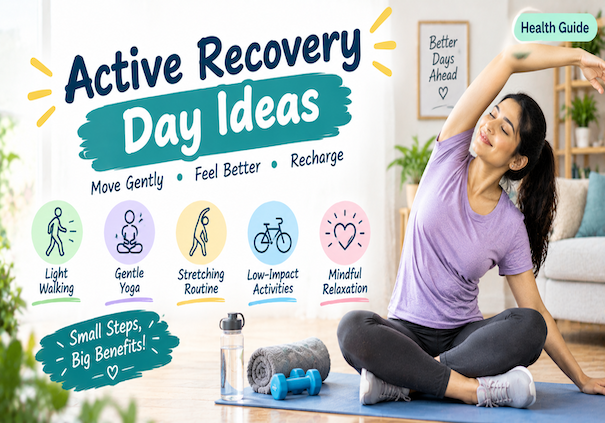
Integrating strategic rest into your routine is essential for long-term progress, whether you are training for a marathon, lifting heavy weights, or maintaining a daily fitness habit. Exploring creative active recovery day ideas allows you to stay moving without placing unnecessary physical stress on your muscles, joints, or nervous system.
Unlike passive rest days, which involve complete physical inactivity, active recovery focuses on low-intensity, light movement designed to promote blood circulation and reduce post-workout stiffness. By incorporating the best active recovery day ideas into your weekly programming, you can bounce back faster, prevent overtraining syndrome, and keep your body moving smoothly.
Research into physical exercise highlights how low-intensity movement aids in clearing metabolic waste products like lactic acid while delivering nutrient-dense, oxygenated blood directly to repairing muscle tissues. In this guide, we break down top active recovery day ideas, explaining how low-impact exercise, foam rolling, and mobility work help you rebuild stronger.
What Is an Active Recovery Day?
An active recovery day involves engaging in low-impact physical activity at roughly 30% to 50% of your maximum effort. The goal is not to burn maximum calories or break a heavy sweat, but to keep your cardiovascular system elevated enough to support physical repair.
The Physiology Behind Active Recovery
- Promotes Oxygenated Blood Flow: Low-intensity movement acts as a pump, delivering vital nutrients and oxygen to fatigued muscle fibers.
- Reduces Delayed Onset Muscle Soreness (DOMS): Gently working sore muscles helps ease post-workout stiffness and tenderness.
- Flushes Metabolic Waste: Light cardiovascular work speeds up the removal of waste products that accumulate during high-intensity training.
- Maintains Joint Range of Motion: Dynamic stretches keep connective tissues flexible and prevent tightness in your hips, shoulders, and lower back.
10 Outstanding Active Recovery Day Ideas
Choosing the right activity depends on your overall energy levels, personal preferences, and the intensity of your recent workouts. Here are ten highly effective active recovery day ideas to refresh your body and mind:
1. Outdoor Leisure Walking
A steady walk in a local park or neighborhood is one of the simplest active recovery day ideas available. It provides low-impact cardiovascular stimulation while keeping joint stress to a minimum. Aim for a relaxing 30-to-45-minute stroll at an easy pace.
2. Gentle Flow Yoga and Vinyasa
Gentle yoga focuses on deep breathing, dynamic stretching, and functional mobility. It helps lengthen tight muscle groups, calms the central nervous system, and improves joint stability without causing physical exhaustion.
3. Easy Recumbent or Outdoor Cycling
Spinning on a stationary bike with low resistance is one of the most effective active recovery day ideas for runners and lifters. The smooth, non-weight-bearing pedaling motion circulates blood through your quadriceps, hamstrings, and calves without putting heavy impact on your knees.
4. Low-Impact Swimming or Pool Walking
Water provides natural buoyancy that reduces gravity’s impact on sore joints. Swimming light laps or walking through shallow water offers gentle resistance while soothing tired tissues.
5. Myofascial Release with a Foam Roller
Self-myofascial release (foam rolling) targets tight fascia and muscle knots. Spending 20 minutes slowly rolling out your lats, glutes, quads, and calves helps release physical tension and improves tissue elasticity.
6. Dynamic Bodyweight Mobility Routines
Controlled articular rotations (CARs), leg swings, cat-cows, and thoracic spine openers keep your joints lubricated. Dynamic mobility drills prepare your body for upcoming heavy training sessions while easing tightness.
7. Casual Kayaking or Stand-Up Paddleboarding
If you prefer being out on the water, casual paddling offers a relaxing way to engage your core and upper body at a low intensity while enjoying the outdoors.
8. Light Resistance Band Work
Using ultra-light mini bands to perform lateral monster walks, arm pull-aparts, and glute bridges activates stabilizing muscles without causing micro-tears in muscle fibers.
9. Guided Breathwork and Tai Chi
Mind-body practices like Tai Chi combine slow, intentional movements with deep diaphragmatic breathing. This calms your sympathetic nervous system (“fight or flight”) and shifts your body into a parasympathetic state optimized for deep tissue recovery.
10. Recreational Lawn Games or Gardening
Engaging in light, everyday activities like gardening, playing bocce ball, or throwing a frisbee keeps you moving casually without feeling like a structured workout.
For more health tips, physical wellness guides, and international lifestyle insights, visit en-canada.
Active vs. Passive Recovery: When to Use Which
While implementing these active recovery day ideas offers significant physical benefits, knowing when to choose complete passive rest is equally important.
- Choose Active Recovery When: You experience mild muscle soreness, feel slightly sluggish, want to stay consistent with light movement, or need to relieve mental stress.
- Choose Passive Rest When: You feel systemic central nervous system fatigue, experience sharp pain, show signs of an acute sports injury, or are dealing with an illness.
Nutrition and Hydration Strategies for Recovery Days
Movement is only one part of the recovery equation. Supporting your active recovery day ideas with proper fuel ensures your body has the raw materials needed for structural repair.
- Maintain Adequate Protein Intake: Consuming high-quality protein provides essential amino acids required to repair microscopic muscle damage caused by intense training.
- Replenish Hydration and Electrolytes: Drink plenty of fresh water and balance your intake with essential electrolytes like potassium, sodium, and magnesium to prevent cramping and support cellular fluid balance.
- Prioritize Anti-Inflammatory Whole Foods: Incorporate foods rich in antioxidants and omega-3 fatty acids—such as wild salmon, berries, walnuts, and leafy greens—to reduce internal inflammation.
Frequently Asked Questions
How long should an active recovery workout last?
Most active recovery sessions should last between 20 and 45 minutes. Keep the duration short enough that you finish feeling energized rather than tired.
Should I track my heart rate during active recovery?
Tracking your heart rate can help ensure you stay in a low-intensity zone (Zone 1 or Zone 2). Aim to keep your heart rate below 60% of your maximum heart rate throughout the session.
How many active recovery days should I have per week?
Most active individuals benefit from 1 to 3 active recovery days per week, depending on their overall training volume, age, and individual recovery capacity.
Conclusion: Elevate Your Fitness with Smart Recovery
Rest days do not have to mean sitting on the couch all day. By incorporating these active recovery day ideas into your weekly routine, you keep your body flexible, support blood circulation, and prepare yourself physically and mentally for your next intense training session.
Listen to your body’s signals, keep your intensity low, and enjoy light, restorative movement as a fundamental pillar of your long-term athletic success.