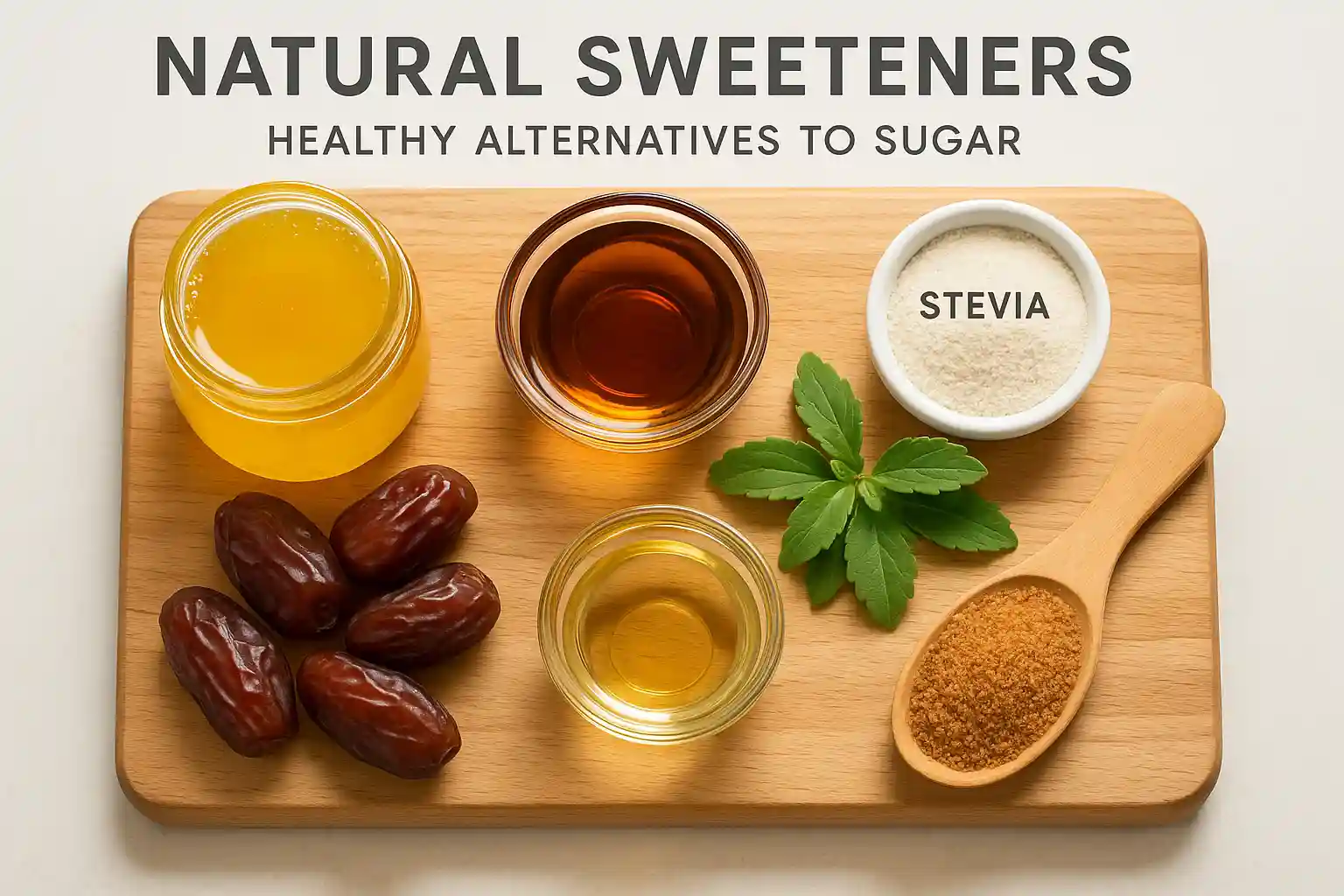
Sugar is everywhere — in coffee, tea, desserts, sauces, packaged foods, and even “healthy” snacks. While sugar makes food taste good, excessive consumption is linked to weight gain, insulin resistance, energy crashes, and long-term health issues.
If you are trying to reduce sugar intake without sacrificing taste, this guide on the Best Healthy Alternatives to Sugar will help you make smarter choices.
Why You Should Consider Alternatives to Sugar
Before discussing the best Alternatives to Sugar, it’s important to understand why cutting back on sugar matters.
Excess sugar consumption is associated with:
- Obesity
- Type 2 diabetes
- Fatty liver
- Heart disease
- Tooth decay
- Energy crashes
- Increased inflammation
Refined white sugar offers calories but no essential nutrients. That’s why many health experts recommend switching to healthier Alternatives to Sugar to support long-term wellness.
What Makes Good Alternatives to Sugar?
Not all sweeteners are created equal. The best Alternatives to Sugar should:
- Have a low glycemic index
- Cause minimal blood sugar spikes
- Be natural or minimally processed
- Have fewer calories than sugar
- Taste good without a bitter aftertaste
- Be suitable for cooking and baking
Now let’s explore the best healthy Alternatives to Sugar available today.
1. Stevia – One of the Most Popular Alternatives to Sugar
Stevia is a natural sweetener derived from the leaves of the stevia plant. It contains zero calories and does not raise blood sugar levels.
Benefits of Stevia
- Zero calories
- Zero glycemic impact
- Suitable for diabetics
- 200–300 times sweeter than sugar
Drawbacks
- Slight bitter aftertaste (in some brands)
- Not ideal for all baking recipes
Stevia is one of the most widely used Alternatives to Sugar for weight loss and blood sugar control.
Best for: Coffee, tea, smoothies, yogurt.
2. Monk Fruit – A Natural Low-Calorie Alternative to Sugar
Monk fruit sweetener is extracted from a small melon native to Asia. It contains antioxidants called mogrosides that give it sweetness.
Benefits
- Zero calories
- Does not spike blood sugar
- Natural origin
- No bitter aftertaste (high-quality versions)
Drawbacks
- Can be expensive
- Often mixed with erythritol
Monk fruit is becoming one of the fastest-growing Alternatives to Sugar in 2026.
Best for: Beverages, desserts, low-carb baking.
3. Erythritol – A Popular Sugar Alcohol Alternative to Sugar
Erythritol is a sugar alcohol that contains very few calories and has minimal impact on blood sugar.
Benefits
- Almost zero calories
- Tooth-friendly
- No blood sugar spikes
- Good for baking
Drawbacks
- May cause bloating in large amounts
- Cooling effect in the mouth
Among all Alternatives to Sugar, erythritol closely resembles sugar in texture.
Best for: Baking, keto recipes, desserts.
4. Xylitol – A Tooth-Friendly Alternative to Sugar
Xylitol is another sugar alcohol commonly used in sugar-free gum.
Benefits
- Low glycemic index
- Helps prevent cavities
- Similar sweetness to sugar
Drawbacks
- Toxic to dogs
- Can cause digestive discomfort in high amounts
Xylitol is one of the most practical Alternatives to Sugar for everyday use.
Best for: Tea, coffee, chewing gum, baked goods.
5. Raw Honey – A Natural Alternative to Sugar
Raw honey contains antioxidants, enzymes, and trace nutrients.
Benefits
- Natural source
- Contains antioxidants
- Slight antimicrobial properties
Drawbacks
- High in calories
- Raises blood sugar
Although honey is healthier than refined sugar, it should still be consumed in moderation. It is one of the better natural Alternatives to Sugar when used carefully.
Best for: Tea, oatmeal, marinades.
6. Maple Syrup – A Plant-Based Alternative to Sugar
Pure maple syrup contains minerals like manganese and zinc.
Benefits
- Natural sweetener
- Contains antioxidants
- Less processed than white sugar
Drawbacks
- Still high in sugar
- Not suitable for strict low-carb diets
Maple syrup is one of the more natural Alternatives to Sugar, but moderation is key.
7. Coconut Sugar – A Lower Glycemic Alternative to Sugar
Coconut sugar is derived from coconut palm sap.
Benefits
- Lower glycemic index than white sugar
- Contains small amounts of nutrients
Drawbacks
- Similar calories to regular sugar
- Not suitable for keto diets
While it is marketed as healthy, coconut sugar should still be limited.
8. Dates and Date Syrup – Whole Food Alternatives to Sugar
Dates are natural fruits high in fiber and nutrients.
Benefits
- Contains fiber
- Rich in potassium
- Natural sweetness
Drawbacks
- High in calories
- Can spike blood sugar
Whole food Alternatives to Sugar like dates are better than refined sugar but should still be eaten mindfully.
9. Allulose – A New Generation Alternative to Sugar
Allulose is a rare sugar that provides sweetness without the calories.
Benefits
- Very low calorie
- No blood sugar spike
- Tastes like sugar
- No bitter aftertaste
Drawbacks
- Still relatively new
- May cause mild digestive discomfort
Allulose is one of the most promising Alternatives to Sugar in modern nutrition.
Best Alternatives to Sugar for Diabetics
For individuals managing blood sugar, the safest Alternatives to Sugar include:
- Stevia
- Monk Fruit
- Erythritol
- Allulose
These options have minimal or no glycemic impact.
Always consult a healthcare professional before making dietary changes.
Best Alternatives to Sugar for Weight Loss
If your goal is weight loss, prioritize low-calorie Alternatives to Sugar such as:
- Stevia
- Monk fruit
- Erythritol
- Allulose
Reducing sugar intake can help:
- Lower calorie consumption
- Reduce cravings
- Prevent insulin spikes
- Improve fat metabolism
Alternatives to Sugar for Baking
Baking requires special consideration because sugar adds texture and moisture.
Best baking Alternatives to Sugar:
- Erythritol (1:1 replacement)
- Monk fruit blends
- Allulose
- Coconut sugar (for traditional baking)
Tip: Some substitutes are sweeter than sugar, so adjust measurements accordingly.
Are Artificial Sweeteners Safe?
Artificial sweeteners like aspartame and sucralose are common Alternatives to Sugar, but they remain controversial.
Some concerns include:
- Potential gut microbiome impact
- Possible cravings stimulation
- Mixed research results
Many people prefer natural Alternatives to Sugar instead.
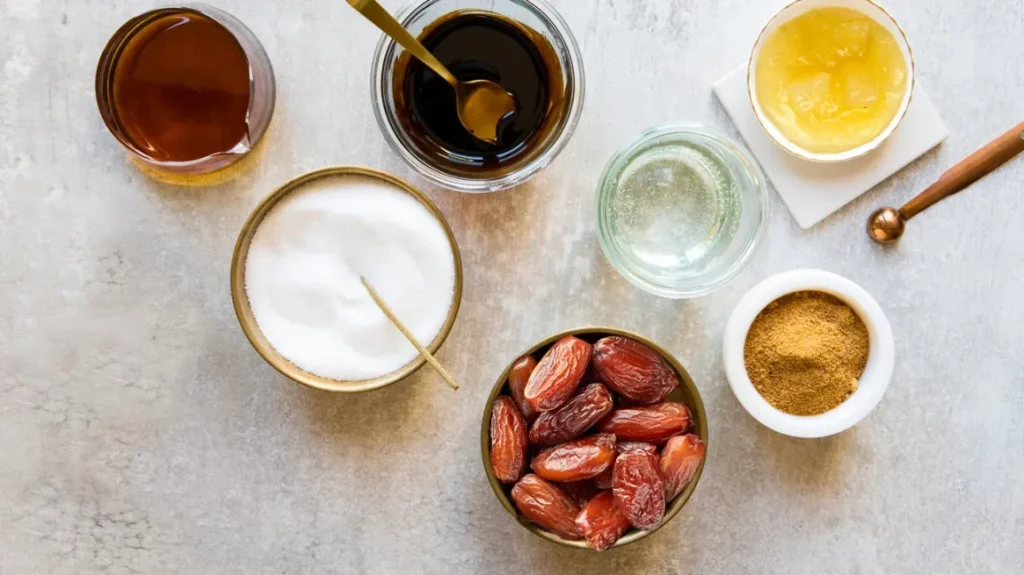
How to Choose the Right Alternatives to Sugar
When choosing Alternatives to Sugar, consider:
- Your health goals (weight loss, diabetes, general wellness)
- Taste preference
- Digestive tolerance
- Cooking or baking needs
- Budget
There is no single perfect sweetener — the best choice depends on your lifestyle.
Tips for Reducing Sugar Naturally
Switching to Alternatives to Sugar is helpful, but you can also reduce sugar by:
- Drinking unsweetened beverages
- Eating whole fruits instead of juice
- Reading food labels carefully
- Cooking more meals at home
- Reducing processed foods
Gradual reduction often works better than sudden elimination.
Frequently Asked Questions About Alternatives to Sugar
Are Alternatives to Sugar healthier than regular sugar?
Most low-calorie and natural Alternatives to Sugar are better for blood sugar control and weight management when used properly.
Do Alternatives to Sugar help with weight loss?
They can support weight loss if they reduce overall calorie intake and prevent sugar cravings.
Are sugar alcohols safe?
Generally yes, but excessive intake may cause bloating.
What is the healthiest alternative to sugar?
Stevia, monk fruit, and allulose are often considered among the healthiest Alternatives to Sugar.
Final Thoughts on the Best Healthy Alternatives to Sugar
Reducing sugar intake is one of the smartest decisions you can make for long-term health. Fortunately, there are many safe and effective Alternatives to Sugar available today.
If your goal is:
- Better blood sugar control → Choose stevia or monk fruit
- Weight loss → Choose erythritol or allulose
- Natural whole food options → Choose honey or dates (in moderation)
- Baking replacement → Choose erythritol or monk fruit blends
The key is moderation. Even the best Alternatives to Sugar should be used thoughtfully.
By making small changes today, you can improve energy levels, support metabolism, and protect your long-term health.


Hiya very nice web site!! Man .. Excellent .. Amazing .. I’ll bookmark your blog and take the feeds additionally?KI’m happy to search out a lot of helpful info right here in the post, we’d like work out extra strategies on this regard, thanks for sharing. . . . . .