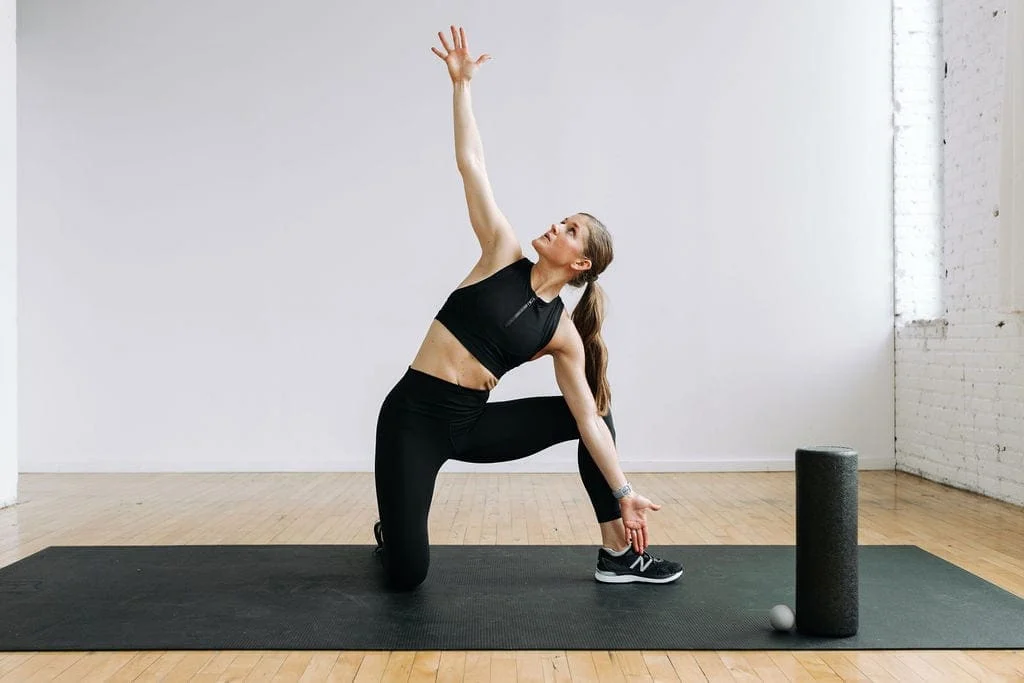
If your body feels tight when you wake up, stiff after sitting all day, or sore after workouts, you’re not alone. Modern lifestyles — long hours at desks, minimal movement, and high stress — contribute to reduced flexibility and mobility.
The good news? You don’t need to be naturally flexible or athletic to improve. With a structured and consistent Beginner Stretching Routine for Better Flexibility, you can safely increase range of motion, reduce muscle tightness, improve posture, and feel better in your body within just a few weeks.
This detailed, beginner-friendly guide will cover:
- What flexibility really means
- Why stretching matters
- Types of stretching
- A complete step-by-step full body routine
- Weekly plans
- Common mistakes
- Safety tips
- How long results take
Let’s begin.
What Is Flexibility and Why Is It Important?
Flexibility refers to the ability of your muscles and joints to move through their full range of motion.
When flexibility is limited, you may experience:
- Tight hamstrings
- Lower back pain
- Neck stiffness
- Rounded shoulders
- Limited hip movement
- Poor posture
A consistent Beginner Stretching Routine for Better Flexibility helps lengthen muscles, improve joint mobility, and support healthy movement patterns.
The Benefits of a Beginner Stretching Routine for Better Flexibility
When practiced regularly, a Beginner Stretching Routine for Better Flexibility provides powerful benefits:
1. Improved Range of Motion
You’ll move more freely and comfortably in daily activities.
2. Reduced Muscle Tightness
Stretching counteracts stiffness from sitting or intense workouts.
3. Better Posture
Loosening tight chest, hip, and shoulder muscles helps align the spine.
4. Lower Risk of Injury
Flexible muscles are less likely to strain or tear.
5. Improved Circulation
Stretching increases blood flow to tissues.
6. Reduced Stress
Slow stretching activates the parasympathetic nervous system.
7. Enhanced Workout Performance
Better mobility improves exercise technique and efficiency.
Types of Stretching for Beginners
Understanding stretching styles helps you build a safe and effective Beginner Stretching Routine for Better Flexibility.
1. Static Stretching
Holding a stretch for 15–60 seconds.
Best for:
- After workouts
- Evening relaxation
- Beginners
2. Dynamic Stretching
Controlled movements that gently warm up muscles.
Best for:
- Pre-workout warm-ups
3. Active Stretching
Using your own muscle strength to hold a stretch.
4. Passive Stretching
Using gravity or props (like straps) to assist.
For beginners, static stretching is the safest and easiest starting point.
Important Safety Guidelines Before You Start
Before beginning your Beginner Stretching Routine for Better Flexibility, keep these rules in mind:
- Always warm up for 3–5 minutes (light walking or marching in place)
- Never bounce while stretching
- Stretch to mild tension, not pain
- Breathe deeply and steadily
- Move slowly and mindfully
- Be consistent rather than aggressive
Flexibility improves gradually over time.
Complete Beginner Stretching Routine for Better Flexibility (Full Body – 20 Minutes)
This full routine targets all major muscle groups. Perform 3–5 times per week.
1. Neck Stretch (2 Minutes)
Targets: Neck and upper shoulders
How to do it:
- Sit or stand upright.
- Tilt your head gently toward your right shoulder.
- Hold 20–30 seconds.
- Repeat on the other side.
Benefit:
Reduces tension caused by screen time and poor posture.
2. Shoulder Stretch (2 Minutes)
Targets: Shoulders and upper back
How to:
- Bring one arm across your chest.
- Use your opposite hand to gently press it closer.
- Hold 20–30 seconds.
- Switch sides.
Essential in any Beginner Stretching Routine for Better Flexibility, especially for office workers.
3. Chest Opener Stretch (1–2 Minutes)
Targets: Chest and front shoulders
How to:
- Stand tall.
- Clasp hands behind your back.
- Gently lift arms slightly upward.
- Hold 20–30 seconds.
Benefit:
Improves posture and reduces rounded shoulders.
4. Cat-Cow Stretch (2 Minutes)
Targets: Spine mobility
How to:
- Start on hands and knees.
- Inhale and arch your back (cow position).
- Exhale and round your spine (cat position).
- Repeat 8–10 times.
This improves spinal flexibility and reduces back stiffness.
5. Seated Forward Fold (2 Minutes)
Targets: Hamstrings and lower back
How to:
- Sit with legs extended forward.
- Hinge at hips and reach toward toes.
- Hold 20–30 seconds.
- Keep knees slightly bent if needed.
Do not force the stretch.
6. Standing Quadriceps Stretch (2 Minutes)
Targets: Front thighs
How to:
- Stand on one leg.
- Hold the opposite ankle.
- Pull heel toward glutes.
- Hold 20–30 seconds.
- Switch legs.
Improves balance and thigh flexibility.
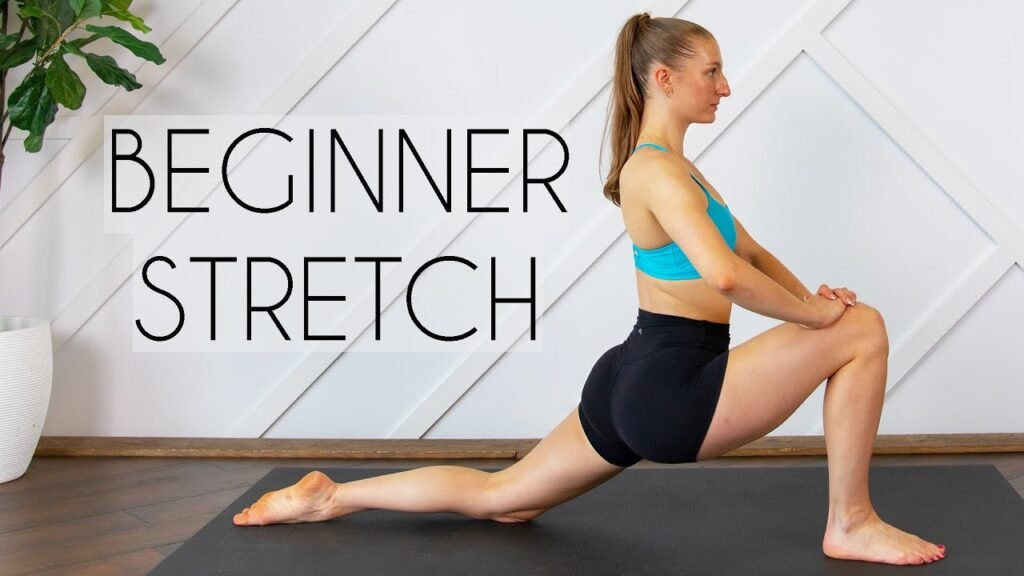
7. Hip Flexor Stretch (2 Minutes)
Targets: Hips
How to:
- Step into a lunge position.
- Lower hips gently.
- Keep chest upright.
- Hold 20–30 seconds each side.
Very important for people who sit long hours.
8. Calf Stretch (2 Minutes)
Targets: Lower legs
How to:
- Stand facing a wall.
- Step one foot back.
- Press heel into the floor.
- Hold 20–30 seconds each side.
Improves ankle mobility.
9. Child’s Pose (2 Minutes)
Targets: Full body relaxation
How to:
- Kneel and sit back on heels.
- Extend arms forward.
- Rest forehead toward floor.
- Breathe deeply.
This completes your Beginner Stretching Routine for Better Flexibility.
How Often Should You Do This Routine?
For noticeable improvement:
- Minimum: 3 days per week
- Ideal: 5–6 days per week
- Duration: 15–20 minutes
Consistency produces better results than intensity.
Morning vs Evening Stretching
Morning Stretching Benefits
- Boosts circulation
- Increases energy
- Reduces stiffness
Evening Stretching Benefits
- Relieves tension
- Reduces stress
- Improves sleep quality
Choose what fits your schedule.
How Long Until You See Results?
With consistent practice of a Beginner Stretching Routine for Better Flexibility:
Week 1:
Less stiffness and mild improvement.
Week 2–3:
Improved ease of movement.
Week 4:
Noticeable flexibility gains.
Week 6–8:
Significant range of motion improvement.
Progress depends on consistency.
Common Beginner Mistakes to Avoid
- Skipping warm-up
- Overstretching
- Holding breath
- Bouncing during stretches
- Being inconsistent
- Comparing yourself to others
Stretching should feel gentle and controlled.
Who Should Follow a Beginner Stretching Routine for Better Flexibility?
This routine is ideal for:
- Office workers
- Students
- Beginners starting fitness
- Seniors
- Athletes
- People with mild stiffness
Flexibility benefits everyone.
Additional Tips to Improve Flexibility Faster
- Stay hydrated
- Maintain good posture daily
- Combine stretching with strength training
- Practice yoga once weekly
- Get enough sleep
Muscles recover and lengthen better with proper rest.
Can Stretching Reduce Stress?
Yes.
A structured Beginner Stretching Routine for Better Flexibility helps:
- Lower heart rate
- Calm the nervous system
- Reduce muscle tension
- Improve mood
That’s why stretching before bed improves sleep.
Simple 7-Day Beginner Plan
Day 1: Full routine
Day 2: Lower body focus
Day 3: Upper body focus
Day 4: Rest or light stretching
Day 5: Full routine
Day 6: Relaxation stretching
Day 7: Review progress
Build gradually.
Final Thoughts
Flexibility is not about becoming a gymnast overnight. It’s about moving better, feeling better, and preventing pain.
A consistent Beginner Stretching Routine for Better Flexibility can:
- Improve posture
- Reduce stiffness
- Prevent injuries
- Enhance performance
- Support relaxation
- Boost confidence
Start gently. Stay consistent. Focus on small improvements.
Within weeks, you’ll notice smoother movement, reduced discomfort, and greater comfort in your body.