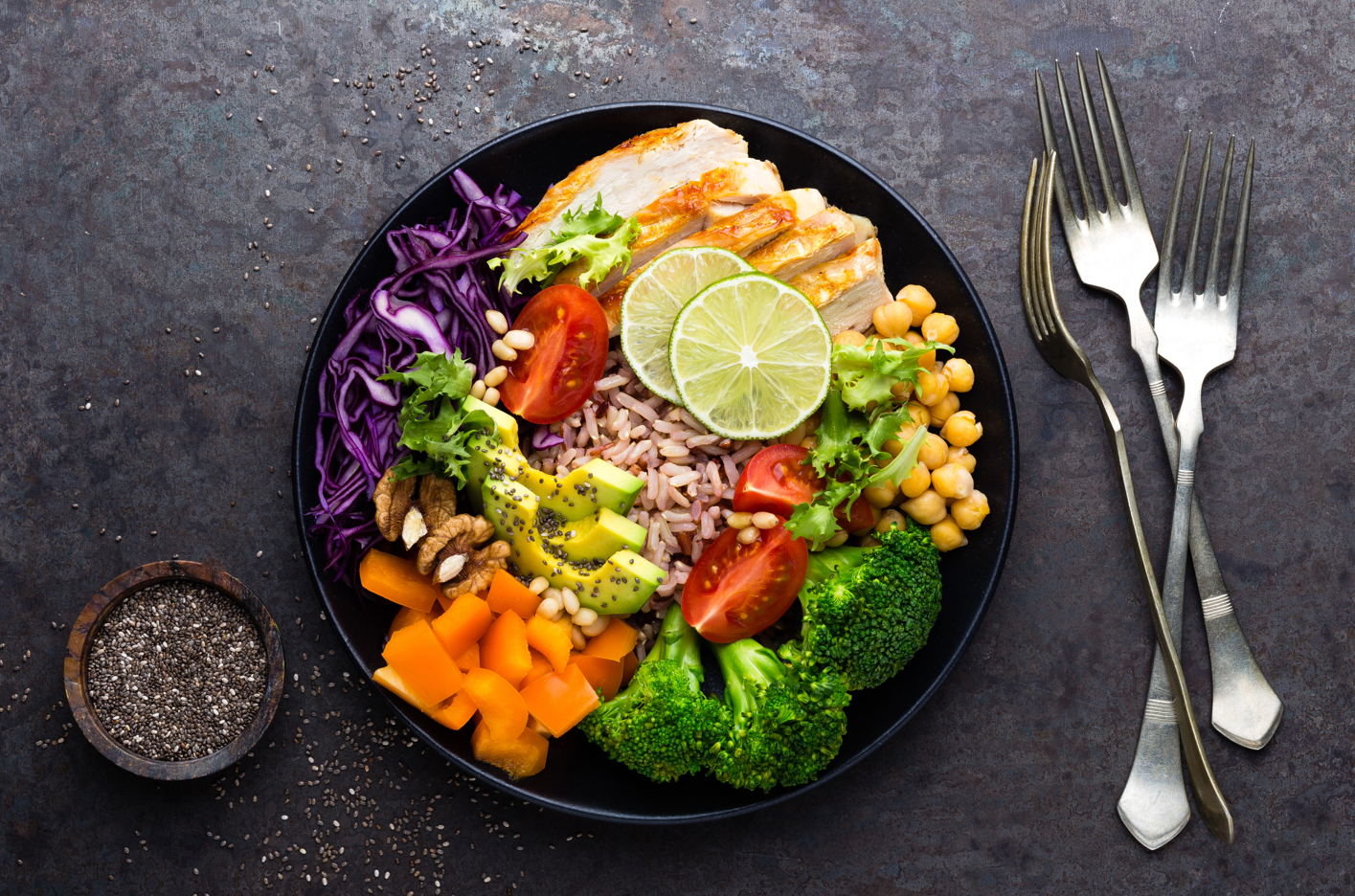
Eating healthy doesn’t have to be confusing. You don’t need strict dieting rules, expensive superfoods, or extreme calorie counting. The secret to long-term health is simple: learn How to Build a Healthy Plate for every meal.
When you understand How to Build a Healthy Plate, you automatically improve your:
- Nutrient balance
- Energy levels
- Blood sugar control
- Digestion
- Weight management
- Metabolic health
This detailed guide will teach you exactly How to Build a Healthy Plate step by step so you can apply it at breakfast, lunch, and dinner — no matter your goal.
Why Learning How to Build a Healthy Plate Is Important
Modern eating habits are often unbalanced. Many people consume:
- Too many refined carbohydrates
- Excess added sugar
- Large portion sizes
- Insufficient fiber
- Low protein intake
This imbalance leads to:
- Weight gain
- Fatigue
- Blood sugar spikes
- Cravings
- Poor gut health
- Increased inflammation
Learning How to Build a Healthy Plate helps you naturally balance macronutrients (carbs, protein, fats) and micronutrients (vitamins and minerals) without strict dieting.
Instead of asking, “What diet should I follow?” you simply ask, “How do I build a balanced plate?”
The Core Principle: How to Build a Healthy Plate
The simplest and most effective strategy for How to Build a Healthy Plate is using the plate method.
The Healthy Plate Formula
Divide your plate into sections:
- 50% vegetables
- 25% lean protein
- 25% healthy carbohydrates
- Small portion of healthy fats
This formula works for most adults and promotes:
- Stable blood sugar
- Steady energy
- Improved digestion
- Healthy weight maintenance
Let’s break this down in detail.
Step 1: Fill Half Your Plate with Vegetables
The foundation of How to Build a Healthy Plate is vegetables. They provide high nutrition with low calories.
Vegetables are rich in:
- Fiber
- Antioxidants
- Vitamins (A, C, K)
- Minerals
- Phytochemicals
Best Vegetables to Include
Non-Starchy Vegetables (Best Choice)
- Spinach
- Broccoli
- Cauliflower
- Zucchini
- Bell peppers
- Cabbage
- Cucumber
- Green beans
Starchy Vegetables (Use Moderately)
- Corn
- Peas
- Potatoes
When learning How to Build a Healthy Plate, prioritize non-starchy vegetables because they:
- Support weight loss
- Improve gut health
- Reduce inflammation
- Help control hunger
Tip: Use color variety — green, red, orange, purple — to maximize nutrients.
Step 2: Add Quality Protein (25%)
Protein plays a critical role in How to Build a Healthy Plate because it:
- Builds muscle
- Controls appetite
- Stabilizes blood sugar
- Supports metabolism
Without adequate protein, you may feel hungry quickly after meals.
Animal-Based Protein Options
- Chicken breast
- Fish (salmon, tuna)
- Eggs
- Greek yogurt
- Lean turkey
Plant-Based Protein Options
- Lentils
- Chickpeas
- Tofu
- Tempeh
- Kidney beans
- Paneer
Portion Guide
A palm-sized portion (about 20–30 grams of protein) is ideal for most adults.
Including protein in every meal is essential when mastering How to Build a Healthy Plate.
Step 3: Choose Smart Carbohydrates (25%)
Carbohydrates are often misunderstood. They are not the enemy — the type and portion matter.
When applying How to Build a Healthy Plate, choose complex carbohydrates that digest slowly.
Best Healthy Carbohydrates
- Brown rice
- Quinoa
- Oats
- Millets
- Sweet potatoes
- Whole wheat roti
- Barley
These carbs:
- Provide sustained energy
- Prevent blood sugar spikes
- Contain fiber
- Improve digestion
Avoid:
- White bread
- Sugary cereals
- Refined flour products
- Sweetened beverages
Balancing carbs correctly is crucial in understanding How to Build a Healthy Plate.
Step 4: Include Healthy Fats (Small Portion)
Healthy fats are essential for nutrient absorption and brain health.
Good fat sources include:
- Olive oil
- Avocado
- Almonds
- Walnuts
- Chia seeds
- Flaxseeds
Portion control is important. One teaspoon of oil or a small handful of nuts is sufficient.
Healthy fats increase satiety and prevent overeating, supporting your goal when learning How to Build a Healthy Plate.
How to Build a Healthy Plate for Weight Loss
If your goal is fat loss, modify the plate slightly:
- 50% vegetables
- 30% protein
- 20% complex carbs
- Small amount of healthy fat
Why increase protein?
Protein boosts metabolism and keeps you full longer, reducing calorie intake.
Tips for weight loss:
- Avoid sugary drinks
- Limit fried foods
- Eat slowly
- Stop eating when 80% full
Using How to Build a Healthy Plate consistently helps reduce calorie intake naturally.
How to Build a Healthy Plate for Muscle Gain
For muscle building:
- 40% vegetables
- 30% protein
- 30% complex carbs
- Healthy fats included
Carbohydrates are slightly increased to fuel workouts and muscle recovery.
Include:
- Eggs
- Chicken
- Lentils
- Paneer
- Fish
- Oats
- Brown rice
Muscle growth requires sufficient protein and energy — balance is key.
How to Build a Healthy Plate for Blood Sugar Control
For diabetics or those managing insulin resistance, learning How to Build a Healthy Plate is extremely important.
Recommended structure:
- 50% non-starchy vegetables
- 25% lean protein
- 25% low-glycemic carbs
Choose:
- Brown rice instead of white
- Whole grains instead of refined flour
- Avoid sweet sauces
Balanced meals reduce glucose spikes and improve insulin sensitivity.
Breakfast: How to Build a Healthy Plate
Many people skip balance at breakfast. A healthy breakfast plate should include:
Example 1:
- Scrambled eggs (protein)
- Sautéed spinach (vegetables)
- Whole grain toast (carbs)
- Avocado slices (fat)
Example 2:
- Greek yogurt (protein)
- Mixed berries (fiber)
- Chia seeds (fat)
- Oats (carbs)
Applying How to Build a Healthy Plate at breakfast prevents mid-morning crashes.
Lunch: How to Build a Healthy Plate
Example 1:
- Grilled chicken
- Mixed salad
- Brown rice
- Olive oil dressing
Example 2:
- Lentil curry
- Steamed vegetables
- Whole wheat roti
- Side of yogurt
Balanced lunches prevent afternoon fatigue.
Dinner: How to Build a Healthy Plate
Dinner should be lighter but balanced.
Example:
- Baked fish
- Steamed broccoli
- Quinoa
- Small portion of nuts
Avoid heavy refined carbs late at night.
Portion Control and Mindful Eating
Even when you know How to Build a Healthy Plate, portion sizes matter.
Tips:
- Use smaller plates
- Eat slowly
- Avoid distractions
- Listen to hunger signals
Mindful eating improves digestion and reduces overeating.
Common Mistakes When Building a Healthy Plate
- Too many carbs
- Skipping protein
- Ignoring vegetables
- Overusing oils
- Hidden sugars in sauces
Avoid these mistakes to truly master How to Build a Healthy Plate.
Meal Prep Tips for Busy People
If you’re busy:
- Cook protein in bulk
- Chop vegetables in advance
- Prepare grains for 2–3 days
- Keep healthy snacks ready
Planning makes it easier to apply How to Build a Healthy Plate daily.
Long-Term Benefits of Learning How to Build a Healthy Plate
Consistently following this method may help:
- Maintain healthy weight
- Reduce diabetes risk
- Improve heart health
- Boost energy
- Improve digestion
- Enhance immune function
Unlike temporary diets, this is a sustainable lifestyle habit.
Frequently Asked Questions
Is counting calories necessary?
Not always. If you follow How to Build a Healthy Plate, calorie balance often improves naturally.
Can I eat carbs daily?
Yes — choose whole grains and control portions.
How many meals should follow this structure?
Every main meal can follow the healthy plate method.
Final Thoughts: Mastering How to Build a Healthy Plate
Learning How to Build a Healthy Plate is one of the most powerful skills for long-term health.
Remember the simple formula:
- Half vegetables
- Quarter protein
- Quarter healthy carbs
- Small amount of healthy fats
Apply this method consistently and you will likely see improvements in:
- Energy
- Weight balance
- Digestion
- Blood sugar control
- Overall wellness
Healthy eating doesn’t need to be complicated. It just needs to be balanced.
Start today. Build one healthy plate at your next meal.


Aw, this was a very nice post. In idea I would like to put in writing like this moreover – taking time and actual effort to make a very good article… but what can I say… I procrastinate alot and by no means appear to get one thing done.