Protein is one of the most important nutrients your body needs to function properly. It plays a key role in building muscles, repairing tissues, producing enzymes and hormones, supporting immunity, and maintaining healthy skin, hair, and nails. Yet many people unknowingly experience symptoms because they are Not Eating Enough Protein in their daily diet.
Whether you are trying to lose weight, build muscle, or simply improve your overall health, protein intake matters. When your body does not receive enough protein consistently, it starts showing warning signs. These signs can be subtle at first but may become more noticeable over time.
In this complete guide, you will learn the major signs you are not eating enough protein, why it happens, how much protein you need, and how to fix the problem with simple dietary changes.
Why Protein Is So Important
Before understanding the symptoms, it’s important to know what protein actually does in the body:
- Builds and repairs muscles
- Supports healthy metabolism
- Helps maintain bone strength
- Controls hunger and cravings
- Supports immune function
- Produces essential enzymes and hormones
- Maintains healthy skin, hair, and nails
When you are Not Eating Enough Protein, your body cannot perform these functions efficiently. Over time, this may lead to fatigue, muscle loss, and other health issues.
Top Signs You Are Not Eating Enough Protein
1. Constant Hunger and Cravings
One of the most common signs of Not Eating Enough Protein is feeling hungry shortly after meals.
Protein helps you feel full because it:
- Slows digestion
- Reduces hunger hormones
- Increases satiety hormones
If your meals are mostly carbohydrates (like rice, bread, or pasta) without sufficient protein, you may feel hungry again within a short time.
You might also notice:
- Strong sugar cravings
- Frequent snacking
- Difficulty controlling portion sizes
Adding more protein to each meal can significantly improve fullness.
2. Muscle Weakness or Loss
Protein is essential for muscle maintenance. If you are Not Eating Enough Protein, your body may begin breaking down muscle tissue to meet its needs.
Signs include:
- Feeling weaker during workouts
- Reduced strength
- Loss of muscle tone
- Difficulty building muscle
This is especially common in:
- Older adults
- People on low-calorie diets
- Vegetarians or vegans who don’t balance meals properly
Muscle loss can slow metabolism, making weight management more difficult.
3. Fatigue and Low Energy
Feeling tired all the time? Low protein intake could be a reason.
When you are Not Eating Enough Protein, your body may struggle with:
- Stable blood sugar levels
- Efficient energy production
- Tissue repair
Unlike carbohydrates that provide quick energy spikes, protein helps maintain steady energy levels. Without it, you may experience:
- Afternoon energy crashes
- Mental fog
- Lack of stamina
4. Hair Thinning or Hair Loss
Your hair is primarily made of protein (keratin). If your body lacks protein, it prioritizes vital organs over hair growth.
Possible signs:
- Increased hair shedding
- Thin hair
- Slow hair growth
- Brittle strands
Long-term Not Eating Enough Protein can impact hair health significantly.
5. Weak or Brittle Nails
Just like hair, nails are also made of protein.
If your nails:
- Break easily
- Peel frequently
- Grow slowly
- Develop ridges
It could indicate insufficient protein intake.
Improving protein consumption can strengthen nail structure over time.
6. Slow Recovery From Illness or Injury
Protein is necessary for tissue repair and immune system support. If you are Not Eating Enough Protein, your body may take longer to heal.
You might notice:
- Cuts healing slowly
- Muscle soreness lasting longer
- Frequent infections
- Weak immune response
Protein supports antibodies and immune cells, so low intake can weaken your defenses.
7. Swelling or Fluid Retention (Edema)
In severe cases, protein deficiency can lead to fluid imbalance in the body.
Signs may include:
- Swelling in feet, legs, or hands
- Puffiness in the face
- Unusual water retention
This happens because protein helps regulate fluid balance in tissues.
8. Mood Changes and Brain Fog
Protein provides amino acids that help produce neurotransmitters like serotonin and dopamine.
If you are Not Eating Enough Protein, you may experience:
- Mood swings
- Irritability
- Anxiety
- Difficulty concentrating
Stable protein intake helps maintain mental clarity and emotional balance.
9. Difficulty Losing Weight
Many people trying to lose weight unknowingly reduce protein intake.
However, protein:
- Increases satiety
- Preserves muscle mass
- Boosts metabolism
- Reduces cravings
If you are Not Eating Enough Protein, you may:
- Feel hungrier
- Lose muscle instead of fat
- Experience slower metabolism
Increasing protein can improve fat loss results.
10. Poor Skin Health
Protein supports collagen production, which keeps skin firm and elastic.
Low protein intake may lead to:
- Dry skin
- Sagging skin
- Slower wound healing
- Dull complexion
A balanced protein intake supports skin repair and glow.
How Much Protein Do You Need?
Protein requirements vary depending on:
- Age
- Activity level
- Body weight
- Health goals
General guidelines:
- Sedentary adults: 0.8 grams per kg body weight
- Active individuals: 1.2–2.0 grams per kg
- Older adults: Slightly higher intake to prevent muscle loss
For example:
If you weigh 70 kg, you may need around 56–140 grams per day depending on activity level.
If you consistently consume less, you may be Not Eating Enough Protein.
Best Protein Sources
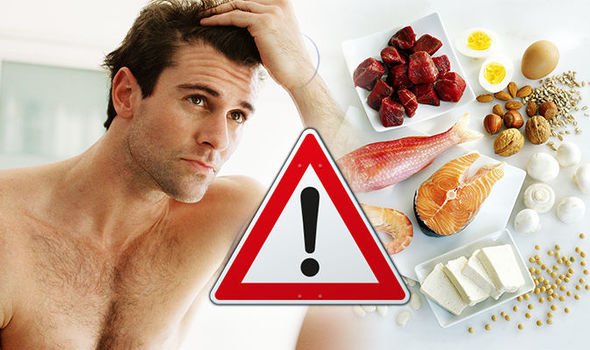
To fix low intake, include high-quality protein foods:
Animal-Based Sources
- Eggs
- Chicken breast
- Fish
- Lean meat
- Greek yogurt
- Cottage cheese
Plant-Based Sources
- Lentils
- Chickpeas
- Beans
- Tofu
- Tempeh
- Quinoa
- Nuts and seeds
A combination of sources ensures balanced amino acids.
Simple Ways to Increase Protein Intake
If you suspect you are Not Eating Enough Protein, try these practical tips:
1. Add Protein to Every Meal
Include a protein source in breakfast, lunch, and dinner.
2. Start With High-Protein Breakfast
Examples:
- Eggs with vegetables
- Greek yogurt with nuts
- Protein smoothie
3. Choose Protein Snacks
Instead of chips or biscuits, try:
- Boiled eggs
- Nuts
- Yogurt
- Protein bars (low sugar)
4. Track Your Intake
Use a nutrition app to check daily protein consumption.
Who Is at Higher Risk of Not Eating Enough Protein?
Some groups are more likely to experience low protein intake:
- Older adults
- People on strict diets
- Vegetarians or vegans without planning
- Busy individuals skipping meals
- Athletes with high training volume
- Individuals recovering from illness
If you belong to any of these groups, monitoring protein intake is especially important.
Can Too Much Protein Be Harmful?
For most healthy individuals, moderate high protein intake is safe.
However:
- People with kidney disease should consult a doctor.
- Extremely excessive intake without balance is not recommended.
Balance is key.
Conclusion
Recognizing the signs of Not Eating Enough Protein is essential for maintaining good health. Symptoms like constant hunger, muscle weakness, hair thinning, fatigue, and slow recovery may indicate that your diet needs improvement.
Protein supports nearly every major function in your body. Ensuring adequate intake can help with:
- Weight management
- Muscle preservation
- Energy levels
- Skin and hair health
- Immune support
If you notice multiple symptoms mentioned in this guide, consider increasing your daily protein intake through balanced meals.
Small dietary changes can make a big difference in your long-term health.

You really make it seem so easy along with your presentation however I find this matter to be actually something which I feel I might never understand. It kind of feels too complex and extremely large for me. I am having a look forward to your subsequent post, I will attempt to get the hang of it!