
Women’s Health Tips in Canada 2026
Women in Canada today are more health-aware than ever before. Yet busy schedules, work pressure, family responsibilities, and stress can quietly affect physical and emotional health 😔. The year 2026 is about prevention, early care, and smart lifestyle choices.
This complete guide covers:
✨ physical health
✨ mental wellness
✨ nutrition
✨ hormones
✨ disease prevention
✨ reproductive health
✨ fitness
✨ lifestyle balance
Whether you are a student, working woman, mother, senior woman, or homemaker, these tips are practical and easy to follow in Canadian lifestyle conditions — winter, long work hours, fast food culture, and less outdoor activity.
Let’s begin your wellness journey ❤️
Tip 1: Prioritize Preventive Health Screenings 🩺✔️
Healthcare experts in Canada emphasize prevention instead of treatment. Many diseases in women — breast cancer, cervical cancer, diabetes, thyroid, heart disease — can be caught early through screening.
🔍 Important Screenings for Women in Canada
- ✓ Pap smear test (cervical cancer prevention)
- ✓ Mammogram after 40 or earlier if high risk
- ✓ Bone density test especially after menopause
- ✓ Blood sugar levels (risk rises after 30)
- ✓ Thyroid function test (TSH)
- ✓ Blood pressure check
- ✓ Cholesterol levels
- ✓ Vitamin D & B12 (often low in Canadian winters)
❤️ Why screenings matter
Early detection means:
- easier treatment
- less cost
- less physical suffering
- higher survival rates
💡 Pro Tip
Don’t wait for symptoms. Prevention is power 💪
Tip 2: Support Mental Health & Emotional Well-Being 🧠💗
Mental health is a major focus in Canada 2026. Many women silently experience:
- stress
- anxiety
- depression
- loneliness
- work burnout
- postpartum depression
🌨️ Why Canadian women are at risk
- long winters with less sunlight ❄️
- indoor lifestyle
- work-life imbalance
- social isolation in big cities
- study/work migration challenges
😊 Simple practices for emotional wellness
- 🌿 meditation & deep breathing
- 🚶♀️ 15–30 minutes daily walk
- ☀️ sunlight whenever possible
- 📝 journaling feelings
- 🎨 hobbies like art, music, craft
- 🗣️ talking to family or counselor
🧑⚕️ When to seek help
- persistent sadness
- lack of sleep
- loss of interest
- thoughts of self-harm ❌
👉 Talking to a therapist in Canada is normal and encouraged.
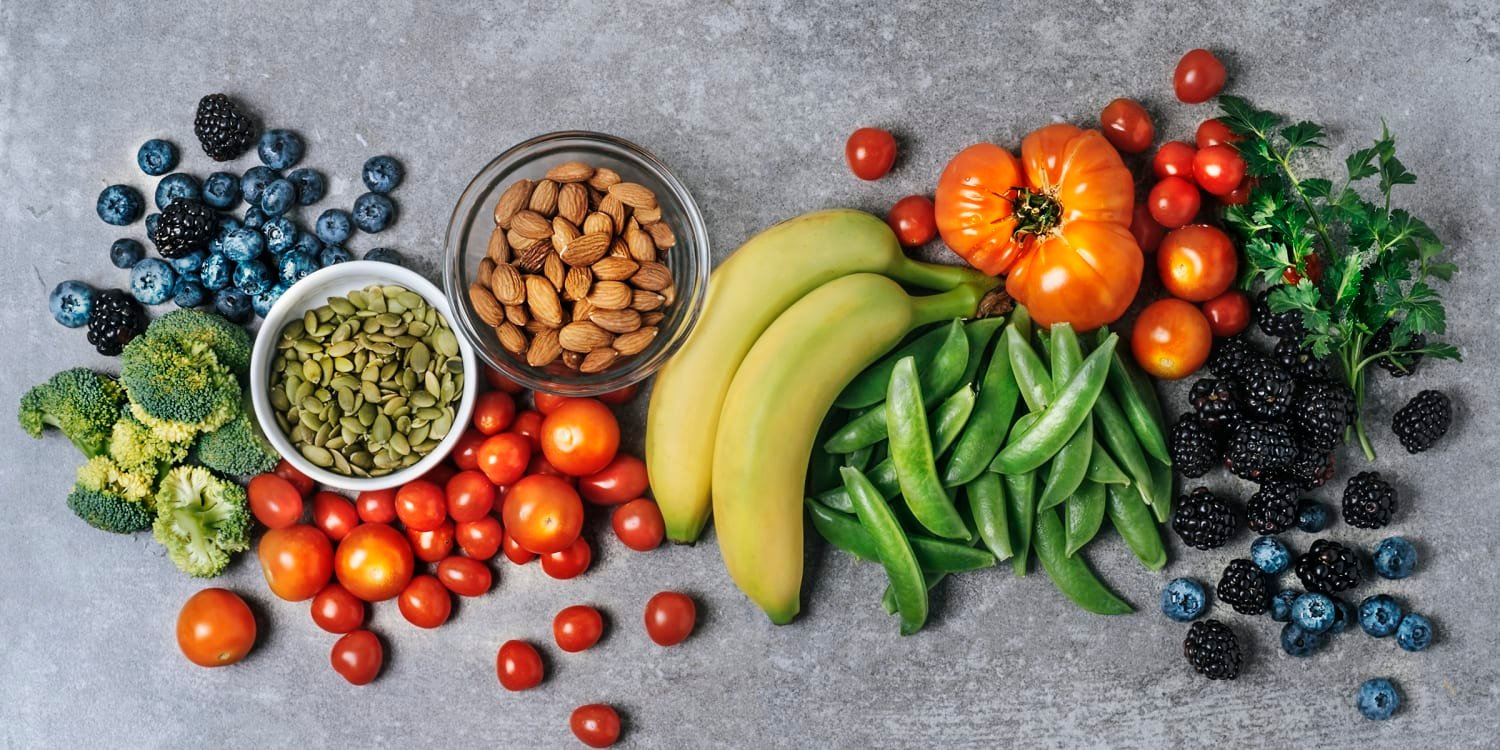
Tip 3: Eat Nutritious & Balanced Canadian Diet 🥗🍁
Food directly affects hormones, immunity, fertility, weight, and skin health.
🥦 Build your plate like this
- 🥬 vegetables
- 🍎 fruits
- 🥛 calcium-rich foods
- 🥜 nuts & seeds
- 🐟 omega-3 rich fish
- 🧆 plant-based protein
❌ Reduce
- sugary drinks
- excess caffeine
- fried fast foods
- ultra-processed snacks
🧊 Winter health nutrition tips in Canada
Canadian winters reduce:
- sunlight
- physical activity
So ensure enough:
- Vitamin D
- Calcium
- Iron
- Protein
💧 Stay Hydrated
Cold weather reduces thirst — but your body still needs water 💦
Tip 4: Stay Physically Active – Even in Canadian Winters 🏃♀️❄️
Movement is medicine.
Regular exercise helps:
- ❤️ heart health
- ⚖️ weight management
- 🧠 mental clarity
- 🌙 better sleep
- 🔥 boosts metabolism
🏋️♀️ Best fitness options in Canada
- brisk walking
- yoga
- gym workouts
- Zumba
- cycling
- swimming
- home workouts
❄️ Winter-friendly ideas
- indoor treadmill
- skipping rope
- indoor dance workouts
- mall walking
- home strength training
👉 Aim: 150 minutes per week (recommended globally)
Even 10 minutes daily counts 🙌
Tip 5: Balance Hormones & Reproductive Health ⚖️🌸
Hormone imbalance is common due to:
- stress
- lack of sleep
- poor diet
- PCOS
- thyroid disorders
🔔 Symptoms to notice
- irregular periods
- rapid weight changes
- acne or hair fall
- mood swings
- infertility challenges
👩⚕️ Important reproductive health care
- regular gynecologist visits
- prenatal care during pregnancy
- PCOS/PCOD management
- menopause support
🌿 Natural hormone balance habits
- manage stress
- balanced meals
- exercise
- quality sleep
- limit junk food

Tip 6: Build Strong Bones & Joint Health 🦴💪
Due to cold climate and low sunlight, Canadian women have higher risks of:
- osteoporosis
- vitamin D deficiency
- joint pain
🥛 Nutrients needed
- Calcium
- Vitamin D
- Magnesium
- Protein
💪 Bone-strengthening habits
- sunlight exposure
- weight-bearing exercises
- resistance training
🚫 Avoid
- smoking
- excessive alcohol
Tip 7: Create a Work-Life-Self Balance 🧘♀️📚🏠
Women often care for everyone else first — and forget themselves.
2026 women must learn:
👉 self-care is not selfish
👉 rest is productive
👉 boundaries are healthy
✨ Ways to maintain balance
- say NO when needed
- take regular breaks
- schedule “me time”
- digital detox daily
- spend time in nature
- quality sleep 7–8 hours 😴
🌟 Women’s Health in Canada 2026 – Trends & Future Outlook
Healthcare focus areas include:
- telehealth consultations 📱
- mental health support expansion
- reproductive rights awareness
- AI-based remote health monitoring
- fitness wearables
- personalized nutrition plans
Women today are strong, independent, educated, and health-aware. 2026 belongs to healthy women living confidently 💃
👉 Click here to get the best discount offer now
🥰 Self-Care Checklist for Canadian Women
- drink enough water 💧
- move daily 🚶♀️
- sleep well 😴
- limit stress 🧘♀️
- connect socially 🫂
- attend screenings 🩺
- laugh often 😄
⚠️ Health Disclaimer
This article is for educational purposes only. Always consult a licensed healthcare professional in Canada for diagnosis or treatment.
❓ Frequently Asked Questions (FAQs)
1. What is the biggest women’s health concern in Canada?
Common concerns include mental health, heart disease, breast cancer, PCOS, and osteoporosis.
2. What vitamins do Canadian women often lack?
Vitamin D and B12 are commonly low due to less sunlight exposure.
3. How often should women exercise?
At least 150 minutes weekly of moderate activity.
4. Is mental health care available in Canada?
Yes — therapy, counseling, hotlines, and online mental health services are widely accessible.
5. When should women begin mammograms?
Usually after age 40, or earlier if high risk (consult doctor).
✍️ Final Thoughts
Women in Canada in 2026 are leaders, caregivers, professionals, students, entrepreneurs, and dreamers. Your health is the foundation of everything you do 💖
👉 Eat well
👉 Move daily
👉 Get tested
👉 Protect mental health
👉 Love yourself


Hoping to find some regal wins at King Games! Gonna try my hand at the slots. Wish me luck! Give it a look! kinggames
I am really enjoying the theme/design of your website. Do you ever run into any web browser compatibility issues? A couple of my blog readers have complained about my blog not working correctly in Explorer but looks great in Opera. Do you have any suggestions to help fix this issue?
Wonderful site. Plenty of useful information here. I am sending it to several friends ans also sharing in delicious. And obviously, thanks for your effort!
Magnificent beat ! I would like to apprentice at the same time as you amend your website, how could i subscribe for a weblog web site? The account aided me a acceptable deal. I were a little bit acquainted of this your broadcast provided brilliant transparent concept