
Bloating is a common digestive problem that makes your stomach feel full, tight, or swollen. It can cause discomfort, gas, abdominal pain, and even embarrassment. Many people experience bloating after eating, due to poor digestion, unhealthy food choices, or lifestyle habits.
The good news is that there are simple and effective Natural Ways to Reduce Bloating without relying on medications. By making small changes to your diet and routine, you can relieve bloating quickly and improve overall digestive health.
In this complete guide, you will learn proven home remedies, dietary tips, and lifestyle strategies to reduce bloating naturally and fast.
What Is Bloating?
Bloating is a condition where excess gas builds up in the digestive system, causing the abdomen to feel swollen or uncomfortable.
Common symptoms include:
- Stomach tightness
- Excess gas
- Abdominal pain
- Burping
- Feeling full quickly
Bloating is usually temporary, but frequent bloating may indicate underlying digestive issues.
Common Causes of Bloating
Understanding the causes helps you choose the right Natural Ways to Reduce Bloating.
1. Overeating
Eating large meals stretches the stomach and slows digestion.
2. Eating Too Fast
Swallowing air while eating can increase gas.
3. Carbonated Drinks
Sodas and fizzy drinks introduce excess gas into the stomach.
4. High-Sodium Foods
Salt causes water retention, leading to swelling.
5. Food Intolerances
Lactose or gluten sensitivity can trigger bloating.
6. Poor Gut Health
Imbalance in gut bacteria affects digestion.
Natural Ways to Reduce Bloating Quickly
1. Drink Warm Water
Warm water helps stimulate digestion and relieve gas buildup. Drinking water throughout the day supports smooth digestion.
Tip: Start your morning with a glass of warm water.
2. Use Ginger
Ginger is one of the most effective Natural Ways to Reduce Bloating.
Benefits:
- Improves digestion
- Reduces gas
- Relieves stomach discomfort
You can consume ginger tea or add fresh ginger to meals.
3. Peppermint Tea
Peppermint relaxes digestive muscles and helps release trapped gas.
Drinking peppermint tea after meals can provide fast relief.
4. Practice Light Exercise
Physical movement helps stimulate digestion.
Try:
- Walking for 15–20 minutes
- Gentle stretching
- Yoga poses
Walking after meals is especially effective.
5. Avoid Carbonated Drinks
Soda and sparkling beverages introduce gas into your stomach.
Replace them with:
- Water
- Herbal tea
- Coconut water
6. Eat Slowly and Mindfully
Eating too quickly causes air swallowing.
Tips:
- Chew food properly
- Avoid distractions
- Take small bites
Mindful eating improves digestion significantly.
7. Reduce Salt Intake
High sodium causes water retention.
Limit:
- Processed foods
- Packaged snacks
- Fast food
Choose fresh, home-cooked meals.
8. Increase Fiber Gradually
Fiber improves digestion, but too much at once can cause bloating.
Best sources:
- Fruits
- Vegetables
- Whole grains
- Legumes
Increase fiber slowly for best results.
9. Try Probiotic Foods
Probiotics support gut bacteria balance.
Include:
- Yogurt
- Kefir
- Fermented foods
Healthy gut bacteria reduce gas and bloating.
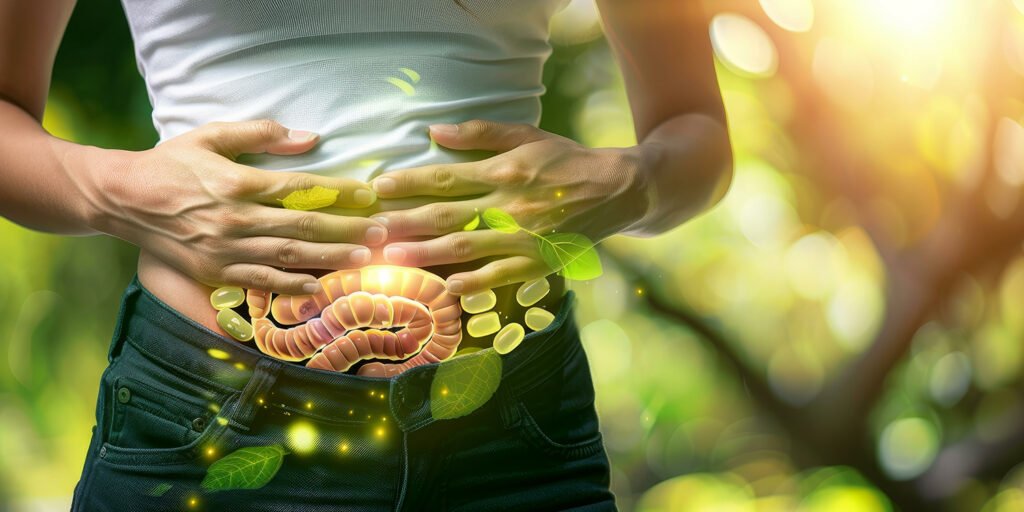
10. Try Abdominal Massage
Gentle circular massage on the stomach can help move trapped gas.
This simple technique is one of the quick Natural Ways to Reduce Bloating.
11. Avoid Chewing Gum
Chewing gum causes air swallowing, increasing bloating.
Reduce or avoid it if you experience frequent gas.
12. Stay Hydrated
Proper hydration prevents constipation, which can cause bloating.
Drink:
- 8–10 glasses of water daily
Foods That Help Reduce Bloating
Certain foods naturally support digestion:
- Bananas
- Cucumber
- Spinach
- Pineapple
- Papaya
- Yogurt
- Fennel seeds
These foods improve gut function and reduce gas.
Foods to Avoid for Less Bloating
To reduce discomfort, limit:
- Fried foods
- Processed foods
- Artificial sweeteners
- Beans (if sensitive)
- Dairy (if lactose intolerant)
- Excess sugar
Lifestyle Changes to Prevent Bloating
1. Regular Exercise
Daily movement improves digestion.
2. Manage Stress
Stress affects gut function. Try:
- Meditation
- Deep breathing
- Yoga
3. Maintain a Healthy Sleep Schedule
Poor sleep affects metabolism and digestion.
When to See a Doctor
While bloating is usually harmless, consult a doctor if you experience:
- Severe abdominal pain
- Persistent bloating
- Unexplained weight loss
- Blood in stool
- Ongoing digestive issues
These may indicate underlying conditions.
Daily Routine to Prevent Bloating
Morning:
- Warm water
- Light stretching
After Meals:
- Short walk
Evening:
- Herbal tea
- Light dinner
Night:
- Avoid heavy meals
Consistency is key in applying Natural Ways to Reduce Bloating.
Benefits of Reducing Bloating
When you manage bloating effectively, you may experience:
- Improved comfort
- Better digestion
- Increased energy
- Reduced stomach pain
- Improved confidence
- Better nutrient absorption
Healthy digestion improves overall well-being.
Frequently Asked Questions (FAQs)
1. What are the best Natural Ways to Reduce Bloating?
The best Natural Ways to Reduce Bloating include drinking warm water, consuming ginger or peppermint tea, walking after meals, reducing salt intake, and eating slowly.
2. How can I reduce bloating quickly at home?
You can drink warm water, take a short walk, try herbal tea (like peppermint or ginger), and avoid carbonated drinks for fast relief.
3. Does exercise help reduce bloating?
Yes. Light exercises such as walking or yoga improve digestion and help release trapped gas naturally.
4. Which foods help reduce bloating?
Foods like bananas, cucumber, yogurt, papaya, spinach, and fennel seeds can support digestion and reduce bloating.
5. What foods should I avoid to prevent bloating?
Limit processed foods, carbonated drinks, excess salt, fried foods, artificial sweeteners, and foods that trigger your sensitivity.
6. Can drinking water help reduce bloating?
Yes. Staying hydrated supports digestion and helps prevent constipation, which can contribute to bloating.
7. Does stress cause bloating?
Yes. Stress can affect digestion and increase gas buildup. Managing stress through meditation and deep breathing can help.
8. Is bloating a serious health problem?
Most bloating is temporary and harmless. However, persistent or severe bloating should be checked by a healthcare professional.
9. How long does bloating usually last?
Mild bloating often improves within a few hours. It can last longer depending on diet and lifestyle habits.
10. Can natural remedies completely prevent bloating?
Natural remedies can significantly reduce bloating, especially when combined with healthy eating, regular exercise, and proper hydration.
Conclusion
Bloating is uncomfortable, but it can be managed effectively using simple and Natural Ways to Reduce Bloating. By making small dietary adjustments, staying active, managing stress, and improving gut health, you can reduce bloating quickly and naturally.
Healthy digestion leads to better energy, improved comfort, and overall wellness. Start applying these natural remedies today for fast and lasting relief.

Aging adults make up one of the most rapidly expanding demographics embracing CBD thc sleep gummies products. As the body advances in years, the endocannabinoid system may become less active, making supplementation exceptionally appealing. Gentle formulations like tinctures provide a simple entry point for those new to cannabinoids. Speaking with a health professional beforehand is always a smart step.
**citrus burn**
CitrusBurn is a Mediterranean-inspired thermogenic formula created to support a naturally slower metabolism, encourage efficient fat utilization.
Hello there, just turned into alert to your weblog through Google, and found that it’s really informative. I am gonna watch out for brussels. I’ll appreciate for those who continue this in future. Lots of people can be benefited from your writing. Cheers!
Boostaro is a purpose-built wellness formula created for men who want to strengthen vitality, confidence, and everyday performance.
HeroUP is a premium mens wellness formula designed to support sustained energy, physical stamina, and everyday confidence.
ProDentim is a distinctive oral-care formula that pairs targeted probiotics with plant-based ingredients to encourage strong teeth, comfortable gums, and reliably fresh breath.
Mitolyn is a carefully developed, plant-based formula created to help support metabolic efficiency and encourage healthy, lasting weight management.
PurDentix is a revolutionary oral health supplement designed to support strong teeth and healthy gums. It tackles a wide range of dental concerns
Gluco6 is a natural, plant-based supplement designed to help maintain healthy blood sugar levels.
Arialief is a carefully developed dietary supplement designed to naturally support individuals dealing with sciatic nerve discomfort while promoting overall nerve wellness.
Maintaining prostate health is crucial for men’s overall wellness, especially as they grow older. Conditions like reduced urine flow, interrupted sleep
InsuLeaf is a high-quality, naturally formulated supplement created to help maintain balanced blood glucose, support metabolic health, and boost overall vitality.
Manergy is an advanced male vitality supplement created to help support healthy testosterone levels
NerveGenics is a naturally formulated nerve-health supplement created to promote nerve comfort, cellular energy support, antioxidant defense
ProstAfense is a premium, doctor-crafted supplement formulated to maintain optimal prostate function, enhance urinary performance, and support overall male wellness.
NerveCalm is a high-quality nutritional supplement crafted to promote nerve wellness, ease chronic discomfort, and boost everyday vitality.
Kerassentials is an entirely natural blend crafted with 4 potent core oils and enriched by 9 complementary oils and vital minerals.
AquaSculpt is a high-quality metabolic support supplement created to help the body utilize fat more efficiently while maintaining steady, reliable energy levels throughout the day.
Nitric Boost Ultra is a daily wellness formula designed to enhance vitality and help support all-around performance.
Prostadine concerns can disrupt everyday rhythm with steady discomfort, fueling frustration and a constant hunt for dependable relief.
GL Pro is a natural dietary supplement formulated to help maintain steady, healthy blood sugar levels while easing persistent sugar cravings.
Visium Pro is an advanced vision support formula created to help maintain eye health, sharpen visual performance, and provide daily support against modern challenges such as screen exposure and visual fatigue.
ViriFlow is a dietary supplement formulated to help maintain prostate, bladder, and male reproductive health. Its blend of plant-based ingredients is designed to support urinary comfort and overall wellness as men age.
Backbiome is a naturally crafted, research-backed daily supplement formulated to gently relieve back tension and soothe sciatic discomfort.
I was just looking for this info for a while. After six hours of continuous Googleing, at last I got it in your website. I wonder what is the lack of Google strategy that don’t rank this kind of informative web sites in top of the list. Normally the top sites are full of garbage.
Hey there! I just wanted to ask if you ever have any problems with hackers? My last blog (wordpress) was hacked and I ended up losing a few months of hard work due to no backup. Do you have any methods to prevent hackers?
Hey very nice web site!! Man .. Beautiful .. Amazing .. I’ll bookmark your website and take the feeds also…I’m happy to find a lot of useful information here in the post, we need work out more techniques in this regard, thanks for sharing. . . . . .
Không phải ngẫu nhiên mà nhà cái xn88 có hàng triệu thành viên. Uy tín được xây dựng từ năm 2019 giúp thương hiệu này đứng vững trước mọi đối thủ cạnh tranh. TONY05-15