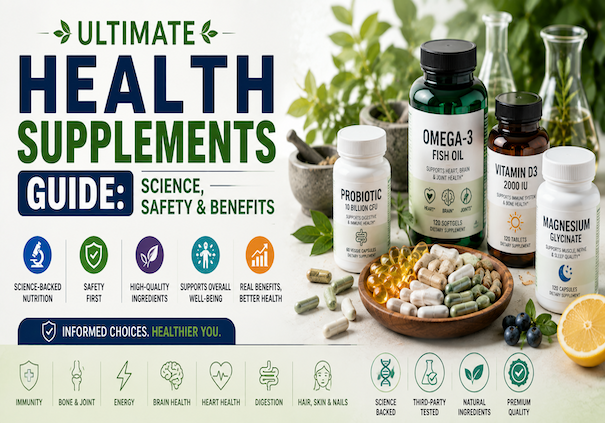
In an ideal world, a balanced, whole-food diet would deliver every nutrient your body needs to thrive. However, modern lifestyles, soil depletion, busy schedules, and dietary restrictions often make it difficult to hit optimal daily micro-nutrient targets through food alone. This is where high-quality health supplements play a pivotal role.
Designed to bridge nutritional gaps, support cellular recovery, and optimize physiological performance, health supplements have evolved from basic multivitamin tablets into targeted, bioavailable formulations. Whether you want to boost daily energy, strengthen bone density, support gut integrity, or improve cognitive performance, understanding how to choose and use these tools safely is essential for achieving long-term vitality.
What Are Health Supplements and How Do They Work?
At their core, health supplements are concentrated sources of nutrients or active compounds delivered in convenient formats such as capsules, powders, tablets, or liquids. They are specifically formulated to complement—never replace—a foundation of wholesome, nutrient-dense meals.
When ingested, bioavailable active ingredients enter the digestive tract, absorb into the bloodstream, and travel to target tissues to perform specific biochemical functions:
- Filling Micronutrient Gaps: Supplying essential vitamins and minerals required for enzyme reactions and metabolic processes.
- Combating Oxidative Stress: Delivering powerful antioxidants that neutralize free radicals before they damage healthy cells.
- Supporting Systemic Balance: Rebalancing gut bacteria, regulating inflammation, and fortifying structural tissues like skin, bones, and cartilage.
To learn more about international regulatory definitions and regulatory frameworks, you can review the history of a dietary supplement
on Wikipedia.
Key Categories of Health Supplements
1. Essential Vitamins & Minerals
Micro-nutrients serve as cofactors for thousands of biological processes:
- Vitamin D3 & K2: Works synergistically to optimize calcium absorption and direct it into bones rather than arterial walls.
- Magnesium: Supports over 300 enzymatic reactions, promoting muscle relaxation, nerve signaling, and deep restorative sleep.
- B-Complex Vitamins: Essential for cellular energy production (ATP synthesis), brain function, and red blood cell formation.
2. Fatty Acids & Lipids
Essential fatty acids cannot be synthesized by the body in sufficient amounts:
- Omega-3 Fatty Acids (EPA & DHA): Derived from wild-caught cold-water fish or algae oil, omega-3s reduce cardiovascular inflammation, support brain membrane liquidity, and maintain joint comfort.
3. Probiotics & Prebiotics
Digestive health is the cornerstone of systemic wellness:
- Probiotic Strains (e.g., Lactobacillus, Bifidobacterium): Deliver beneficial live bacteria to optimize the gut microbiome, enhance immune responses, and improve nutrient absorption.
4. Botanical & Herbal Extracts
Plant-based compounds offer adaptogenic and protective benefits:
- Ashwagandha & Rhodiola: Adaptogens that help regulate cortisol production and improve physiological stress resilience.
- Curcumin (Turmeric): A powerful bioactive extract known for reducing joint stiffness and calming tissue irritation.
Overview of Popular Health Supplement Categories
| Supplement Category | Primary Active Ingredients | Main Physiological Focus |
| Multivitamins | Vitamins A, C, D, E, B-Complex, Zinc, Magnesium | Daily baseline nutritional coverage & gap filling |
| Omega-3s | EPA (Eicosapentaenoic) & DHA (Docosahexaenoic) | Cardiovascular, brain, & joint health |
| Probiotics | Lactobacillus & Bifidobacterium strains | Gut microbiome balance & digestive health |
| Bone & Joint Support | Calcium, Vitamin D3, Glucosamine, Collagen | Bone density & joint cartilage preservation |
| Adaptogens | Ashwagandha, Rhodiola Rosea, Holy Basil | Stress response, mental clarity, & fatigue reduction |
Smart Guidelines for Choosing Quality Health Supplements
Navigating the market requires a critical approach to product safety and ingredient efficacy. Use these expert standards when selecting your products:
- Prioritize Third-Party Testing: Choose brands verified by independent testing organizations (such as NSF International, USP, or Informed Choice) to ensure product purity and label accuracy.
- Check Bioavailability Forms: Opt for highly absorbable nutrient forms—such as magnesium glycinate over magnesium oxide, or methylfolate over synthetic folic acid.
- Avoid Unnecessary Fillers: Steer clear of formulas packed with artificial dyes, hydrogenated oils, excessive binders, or hidden proprietary blends with unlisted dosages.
- Consult Healthcare Professionals: Always discuss new routines with a qualified medical provider, especially if taking prescription medications, to avoid potential nutrient-drug interactions.
For additional international health research, regulatory standards, and lifestyle guides, visit regional wellness databases across canada
.
Frequently Asked Questions (FAQs)
Can health supplements replace a balanced diet?
No. Health supplements are designed to complement a healthy diet, not replace real food. Whole foods offer complex matrices of fiber, enzymes, and secondary phytonutrients that work synergistically in ways isolated supplements cannot replicate.
When is the best time to take health supplements?
Timing depends on the nutrient type:
- Fat-Soluble Vitamins (A, D, E, K) & Omega-3s: Take with meals containing healthy fats for optimal absorption.
- Water-Soluble Vitamins (B-Complex & Vitamin C): Take in the morning with water.
- Magnesium: Take in the evening to encourage relaxation and sleep quality.
How long does it take to notice results from health supplements?
Water-soluble nutrients or caffeine-based adaptogens can show subtle effects within hours to days. However, building cellular reserves for nutrients like Vitamin D, Omega-3s, or iron typically takes 4 to 12 weeks of consistent daily use.
Final Thoughts on Health Supplements
Integrating high-quality health supplements into your daily routine offers a reliable, targeted strategy to support your body’s evolving nutritional needs. By focusing on bioavailable ingredients, verified third-party testing, and a solid foundation of whole-food nutrition, you can make informed choices that optimize your daily vitality and long-term health.



Simply a smiling visitant here to share the love (:, btw great pattern. “Make the most of your regrets… . To regret deeply is to live afresh.” by Henry David Thoreau.