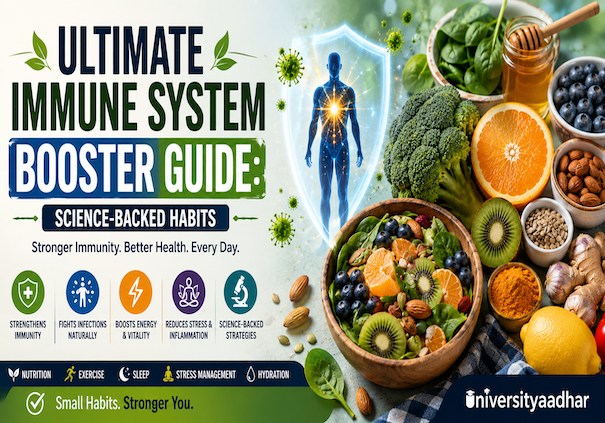
Maintaining a resilient defense system is vital for year-round health and vitality. While many commercial products promise an instant immune system booster, biological immunity is not a single switch you can flip. Instead, it is a complex, highly coordinated network of cells, tissues, and organs that requires consistent care, proper nutrition, and balanced lifestyle habits to perform at its peak.
Rather than looking for a quick fix, understanding how to support your body’s innate and adaptive defense mechanisms gives you a sustainable strategy to prevent illness, recover faster, and maintain optimal daily energy.
How Your Body’s Defense System Works
Your immunity operates through two primary layers of protection:
- Innate Immunity: The body’s rapid, non-specific first line of defense. This includes physical barriers like your skin and mucous membranes, as well as specialized white blood cells (like neutrophils and macrophages) that attack foreign invaders immediately.
- Adaptive Immunity: The specialized, targeted response that develops over time. T-cells and B-cells learn to recognize specific immune system booster pathogens, creating memory cells that protect you against future infections.
Medical treatments designed to directly stimulate cellular immune responses are categorized as immunostimulants
.However, for everyday wellness, lifestyle factors serve as the most effective foundation to keep these cellular defense lines operating smoothly.
Top Science-Backed Strategies for Immune Support
1. Optimize Your Nutrition with Key Micronutrients
Micro-nutrients act as essential cofactors for immune cell proliferation and antibody production:
- Vitamin C: A potent antioxidant that supports white blood cell function and skin barrier integrity.
- Vitamin D: Regulates immune cell activation and lowers the risk of respiratory tract infections.
- Zinc: Crucial for immune cell development, DNA synthesis, and wound healing.
- Plant Polyphenols: Found in colorful fruits, vegetables, and green tea, these compounds neutralize free radicals and reduce systemic stress.
2. Prioritize Quality Sleep
During deep sleep, your body releases protective proteins called cytokines while producing memory T-cells. Chronic sleep deprivation suppresses these critical defense functions, making you significantly more susceptible to seasonal viruses.
3. Support Your Gut Microbiome
Roughly 70% of your immune system resides in your gut mucosa. Consuming fiber-rich whole foods, prebiotics, and fermented items (like yogurt, kefir, and sauerkraut) feeds beneficial bacteria that help train and regulate your immune cells.
4. Manage Stress and Cortisol Levels
Prolonged stress elevates cortisol levels, which suppresses white blood cell activity over time. Incorporating daily stress-reduction practices—such as walking, meditation, or deep breathing—helps preserve your body’s natural defense capacity.
5. Stay Consistently Hydrated
Lymphatic fluid, which carries white blood cells throughout your body, is made primarily of water. Staying adequately hydrated ensures efficient transport of immune cells and proper waste elimination.
Daily Habit Checklist for Immune Support
| Habit Category | Recommended Action | Biological Impact |
| Dietary Intake | Eat colorful produce, nuts, seeds, & lean protein | Provides essential zinc, vitamins, & antioxidants |
| Sleep Quality | Aim for 7–9 hours of uninterrupted sleep nightly | Maximizes cytokine production & T-cell response |
| Physical Activity | 30 minutes of moderate daily movement | Boosts circulation of immune cells throughout tissues |
| Gut Health | Eat fermented foods & 30g of plant fiber daily | Reinforces mucosal gut barriers & microbiome diversity |
For additional global health research, wellness tools, and regional medical updates, explore community healthcare resources across canada
.
Frequently Asked Questions (FAQs)
Can a single supplement act as a total immune system booster?
No single supplement can replace a healthy lifestyle. While targeted supplements like Vitamin D, Vitamin C, or Zinc can fill nutritional gaps, a balanced diet, adequate sleep, and regular exercise provide the true foundation for strong immunity.
Does stress really weaken your defense mechanisms?
Yes. Chronic stress causes sustained elevations in cortisol, which impairs white blood cell communication and suppresses antibody production, leaving your body more vulnerable to infections.
How quickly can lifestyle changes support immune function?
While building long-term adaptive strength takes weeks, immediate habits—like getting a full night of deep sleep, staying hydrated, and reducing acute stress—can optimize your innate immune responses within 24 to 48 hours.
Final Thoughts on Supporting Your Defense System
An effective immune system booster strategy is not about overstimulating your body, but about removing obstacles to natural cellular function. By nourishing your body with whole foods, prioritizing restorative sleep, staying active, and managing stress, you give your body the exact tools it needs to stay resilient every day.



rsjywx
I gotta favorite this internet site it seems very helpful very useful