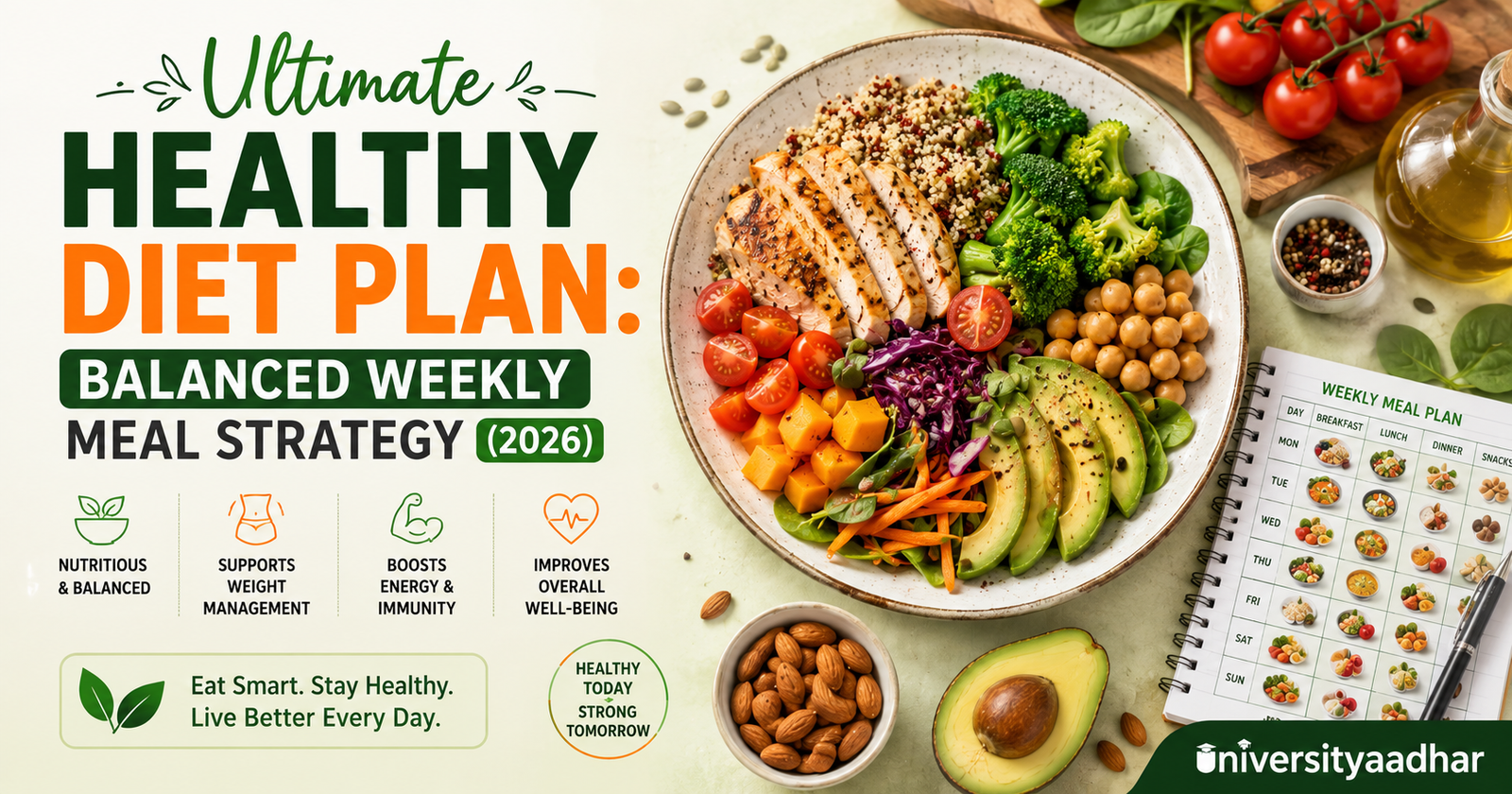
In a world filled with extreme fad diets and quick fixes, finding a sustainable approach to daily nutrition can feel daunting. True vitality isn’t built on severe restriction or skipping meals; it comes from establishing a balanced, nourishing routine. A well-designed healthy diet plan delivers the essential macronutrients, vitamins, and minerals your body needs to maintain steady energy, support metabolism, and protect against chronic disease.
Whether your goal is to manage your weight, improve digestion, or simply feel more energized throughout the workday, this comprehensive guide offers a practical, flexible framework to help you build a lifelong healthy diet plan.
The Core Pillars of a Balanced Healthy Diet Plan
A successful nutrition strategy focuses on addition rather than subtraction. Instead of eliminating entire food groups, center your daily meals around whole, minimally processed ingredients that fuel your cells efficiently.
Key principles of a sustainable healthy diet plan include:
- Macronutrient Balance: Combining lean proteins, complex carbohydrates, and healthy fats at every meal keeps blood sugar levels stable and prevents mid-afternoon energy crashes.
- Micronutrient Density: Eating a colorful variety of fruits and vegetables ensures an adequate intake of vitamins, minerals, and antioxidants.
- Sustained Hydration: Water is foundational to metabolic function, digestion, and nutrient absorption.
- Mindful Portions: Listening to natural hunger and fullness cues helps maintain a healthy energy balance without rigorous calorie counting.
Understanding basic human nutrition
demonstrates how balanced dietary patterns directly influence cellular repair, hormonal regulation, and overall metabolic efficiency.
How to Plate Your Meals: The 50-25-25 Rule
Building meals doesn’t need to be complicated. Use this visual guide for your lunch and dinner plates to stay on track effortlessly:
+-------------------------------------------------------+
|                                                       |
|                  50% VEGETABLES & FRUITS               |
|               (Fiber, Vitamins, Antioxidants)         |
|                                                       |
+---------------------------+---------------------------+
|                           |                           |
|      25% LEAN PROTEIN     |  25% COMPLEX CARBS        |
|  (Chicken, Tofu, Fish)    |  (Quinoa, Oats, Potatoes) |
|                           |                           |
+---------------------------+---------------------------+
1. Fill 50% of Your Plate with Non-Starchy Vegetables
Leafy greens, broccoli, bell peppers, zucchini, and cucumbers add volume, fiber, and essential micronutrients with minimal caloric density.
2. Reserve 25% for Quality Lean Protein
Protein is vital for muscle repair, immune function, and long-lasting satiety. Opt for chicken breast, turkey, eggs, wild-caught fish, legumes, or tofu.
3. Allot 25% to Complex Carbohydrates
Carbohydrates are your brain and muscles’ primary energy source. Choose slow-digesting options like quinoa, brown rice, sweet potatoes, or oats over refined grains.
4. Accent with Healthy Fats
Incorporate small portions of heart-healthy fats—such as extra virgin olive oil, avocados, nuts, or seeds—to support hormone synthesis and nutrient absorption.
Sample 3-Day Healthy Diet Plan Blueprint
Day 1: High Energy & Focus
- Breakfast: Rolled oats cooked with almond milk, topped with fresh berries, chia seeds, and a scoop of protein powder.
- Lunch: Mediterranean quinoa bowl topped with grilled chicken, cucumbers, cherry tomatoes, olives, and a drizzle of olive oil.
- Dinner: Baked salmon served over roasted sweet potato wedges and steamed broccoli.
- Snack: A handful of raw almonds and an apple.
Day 2: Plant-Forward Balance
- Breakfast: Scrambled eggs or tofu stir-fried with spinach and tomatoes, served on whole-grain sourdough toast.
- Lunch: Lentil and vegetable soup paired with a side green salad topped with pumpkin seeds and avocado.
- Dinner: Stir-fried tofu or turkey mince with bell peppers, snap peas, and brown rice in a low-sodium ginger sauce.
- Snack: Greek yogurt topped with a drizzle of honey and flaxseeds.
Day 3: Sustained Vitality
- Breakfast: Green smoothie blended with spinach, half a banana, protein powder, flaxseeds, and unsweetened almond milk.
- Lunch: Whole-wheat wrap filled with turkey or chickpea salad, mixed greens, shredded carrots, and hummus.
- Dinner: Grilled lean steak or Tempeh served alongside asparagus and roasted baby potatoes.
- Snack: Mixed berries with a small side of cottage cheese.
For more health information, local wellness guides, and lifestyle resources, visit canada
.
Daily Nutrient Framework Summary
| Meal Stage | Primary Goal | Recommended Ingredients |
| Morning | Kickstart metabolism & balance blood sugar | Complex carbs, lean protein, healthy fats |
| Mid-Day | Provide sustained afternoon focus & energy | Fibrous greens, lean protein, slow-release grains |
| Evening | Support muscle recovery & restful sleep | High-protein source, light complex carbs, roasted veggies |
| Snacks | Bridge hunger gaps between meals | Whole fruit, raw nuts, seeds, cultured dairy |
Frequently Asked Questions (FAQs)
What is the healthiest diet plan for sustainable weight loss?
The healthiest diet plan is one you can maintain consistently long-term. Rather than following restrictive fad diets, focus on a balanced intake of whole foods, lean proteins, fiber-rich vegetables, and complex carbohydrates while maintaining a moderate, manageable caloric balance.
How many meals a day should I eat on a healthy diet plan?
Meal frequency depends on personal preference and lifestyle. Whether you prefer three balanced meals or three smaller meals with two healthy snacks, consistency in quality and total daily nutrient intake matters far more than timing.
Do I need to cut out carbs completely to be healthy?
No. Complex carbohydrates like whole grains, vegetables, and legumes are essential sources of energy, fiber, and vital nutrients. The goal is to limit refined sugars and processed grains, not eliminate healthy carbohydrates altogether.
Final Thoughts on Creating Your Diet Plan
A successful healthy diet plan is not about perfection; it is about consistency. By focusing on nutrient-dense whole foods, balancing your plate with quality macros, and allowing flexibility for your favorite treats, you can cultivate a healthy relationship with food that nourishes your body for a lifetime.


Thanks a lot for sharing this with all of us you actually know what you’re talking about! Bookmarked. Please also visit my website =). We could have a link exchange contract between us!