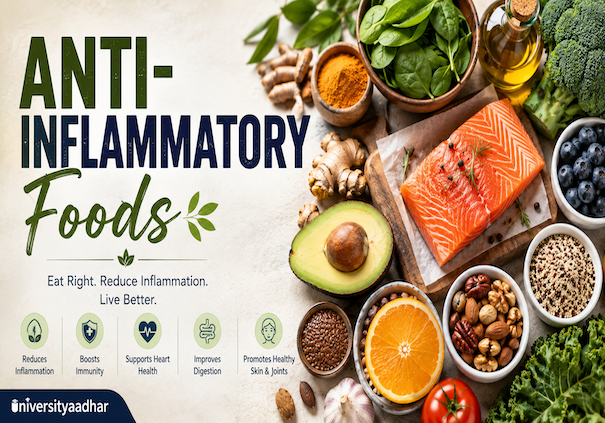
Chronic, low-grade systemic stress can quietly damage blood vessels, joints, and internal organs over time. While acute swelling is a natural immune response to injury, prolonged tissue irritation contributes to conditions like heart disease, type 2 diabetes, arthritis, and autoimmune disorders. Fortunately, adjusting your daily grocery list to prioritize anti-inflammatory foods is one of the most effective strategies for calming tissue stress, neutralizing oxidative damage, and bolstering overall longevity.
Whether you want to ease joint stiffness, improve gut health, or protect your heart, adopting a diet rich in targeted, nutrient-dense ingredients yields tangible biological rewards. This guide provides a research-backed breakdown of the top anti-inflammatory foods you should add to your daily meals.
How Anti-Inflammatory Foods Protect Cellular Health
When your body encounters environmental toxins, poor sleep, or high sugar intake, immune cells release pro-inflammatory signaling proteins called cytokines. Over time, this state of persistent inflammation
breaks down healthy tissue.
Incorporating a wide variety of whole anti-inflammatory foods works through distinct biochemical pathways:
- Free Radical Neutralization: Antioxidants such as polyphenols, flavonoids, and carotenoids bind to reactive oxygen species before they cause cellular damage.
- Cytokine Suppression: Essential fatty acids like omega-3s block the synthesis of inflammatory proteins and eicosanoids.
- Gut Barrier Strengthening: High-fiber ingredients feed beneficial gut bacteria, producing short-chain fatty acids (SCFAs) that regulate immune responses.
The Top 15 Anti-Inflammatory Foods to Add to Your Diet
1. Berries (Blueberries, Strawberries, Raspberries)
Berries contain powerful antioxidants known as anthocyanins. These natural plant pigments give berries their rich colors while actively suppressing inflammatory pathways and boosting cardiovascular health.
2. Cold-Water Fatty Fish
Salmon, sardines, mackerel, and anchovies lead every nutritionist’s list of anti-inflammatory foods. They are rich in eicosapentaenoic acid (EPA) and docosahexaenoic acid (DHA)—omega-3 fatty acids proven to reduce C-reactive protein (CRP) levels.
3. Dark Leafy Greens
Spinach, kale, Swiss chard, and arugula are packed with vitamin K, lutein, and iron. Eating leafy greens daily protects cellular membranes and helps keep immune markers in balance.
4. Extra Virgin Olive Oil
A foundational element of the Mediterranean diet, extra virgin olive oil contains oleocanthal—an antioxidant with properties comparable to mild anti-inflammatory medications.
5. Turmeric & Black Pepper
Turmeric contains curcumin, a potent bioactive compound known for reducing joint stiffness and calming digestive irritation. Pairing turmeric with black pepper increases curcumin absorption by up to 2,000%.
6. Avocados
Avocados combine monounsaturated fats with vitamin E, carotenoids, and soluble fiber. This nutrient profile helps manage cholesterol levels while reducing inflammatory stress on blood vessel walls.
7. Broccoli & Cruciferous Vegetables
Broccoli, cauliflower, and Brussels sprouts contain sulforaphane, an antioxidant that inhibits nuclear factor kappa B (NF-kB)—a primary trigger of systemic cellular stress.
8. Green Tea
Green tea provides high levels of epigallocatechin-3-gallate (EGCG), a catechol compound that inhibits pro-inflammatory cytokine production and protects cellular DNA.
9. Walnuts & Seeds
Walnuts, chia seeds, and flaxseeds supply plant-based alpha-linolenic acid (ALA) omega-3s along with magnesium and zinc, supporting both brain health and tissue repair.
10. Tomatoes
Cooked tomatoes release concentrated amounts of lycopene, a carotenoid antioxidant that reduces vascular irritation and protects LDL cholesterol from oxidation.
11. Garlic & Onions
Part of the allium family, garlic and onions contain organosulfur compounds and quercetin, which inhibit inflammatory enzymes like cyclooxygenase (COX).
12. Ginger
Ginger contains gingerols and shogaols, which help reduce muscle soreness after exercise and ease gastrointestinal discomfort.
13. Dark Chocolate (70%+ Cacao)
High-quality dark chocolate is loaded with flavanols that protect the endothelial lining of arteries and support healthy blood pressure.
14. Grapes & Cherries
Grapes contain resveratrol, while tart cherries offer high concentrations of anthocyanins. Both fruits help accelerate muscle recovery and lower serum uric acid levels.
15. Legumes (Lentils, Chickpeas, Beans)
Packed with resistant starch and prebiotic fiber, legumes support a healthy gut microbiome, preventing gut permeability and downstream systemic irritation.
Nutritional Breakdown of Key Anti-Inflammatory Categories
| Food Category | Key Bioactive Compounds | Main Health Benefit |
| Fatty Fish | EPA & DHA Omega-3 Fatty Acids | Lowers C-reactive protein & eases joint pain |
| Berries & Cherries | Anthocyanins & Flavonoids | Neutralizes free radicals & improves recovery |
| Spices (Turmeric/Ginger) | Curcumin & Gingerols | Inhibits inflammatory enzymes (COX/LOX) |
| Nuts & Seeds | ALA Omega-3s, Fiber, Zinc | Supports cardiovascular resilience & gut health |
| Healthy Oils | Oleocanthal & Monounsaturated Fats | Protects arterial walls & boosts nutrient absorption |
Practical Ways to Build an Anti-Inflammatory Routine
To maximize the benefits of these anti-inflammatory foods, focus on sustainable daily habits:
- Swap Your Cooking Fats: Replace butter, margarine, and refined vegetable oils with extra virgin olive oil or avocado oil.
- Spice Up Every Meal: Add grated ginger to stir-fries, dust turmeric into morning eggs, or stir cinnamon into oatmeal.
- Minimize Ultra-Processed Items: Limit refined sugars, trans fats, and excess alcohol, as they trigger pro-inflammatory responses.
- Focus on Whole Food Variety: Aim for a colorful plate filled with various fruits, vegetables, legumes, and seeds to ensure a diverse polyphenol intake.
For additional health directories, regional wellness resources, and international lifestyle insights, visit community databases across canada
.
Frequently Asked Questions (FAQs)
What are the fast-acting anti-inflammatory foods?
While nutrition works cumulatively over time, foods like tart cherry juice, ginger tea, and turmeric can provide noticeable relief for joint stiffness or muscle soreness within a few hours to days.
Which foods cause the most inflammation?
Ultra-processed foods high in refined sugar, high-fructose corn syrup, artificial trans fats, excessive red or processed meats, and refined grains are the primary dietary drivers of chronic tissue stress.
Can an anti-inflammatory diet help with weight loss?
Yes. By replacing calorie-dense, processed items with high-fiber whole foods, healthy fats, and lean proteins, you naturally regulate hunger hormones, improve insulin sensitivity, and promote sustainable fat loss.
Final Thoughts on Anti-Inflammatory Eating
Transforming your health doesn’t require drastic restrictions or complex diets. By consistently filling your plate with wholesome anti-inflammatory foods—such as leafy greens, wild-caught fish, berries, nuts, and natural spices—you give your body the exact biochemical tools it needs to calm tissue irritation, preserve energy, and maintain long-term vitality.

c4ch2b
I conceive you have noted some very interesting points, regards for the post.