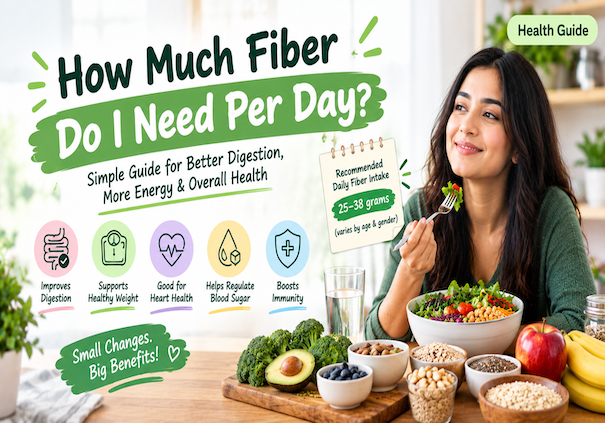
Dietary fiber is one of the most vital nutrients for long-term health, yet a vast majority of adults fall short of their daily targets. If you have ever paused to ask yourself, “how much fiber do I need per day?” you are taking a crucial step toward improving your gut health, managing your weight, and supporting your cardiovascular system.
Fiber is the indigestible part of plant foods that passes through your digestive tract relatively intact. Unlike fats, proteins, or simple carbohydrates, which your body breaks down and absorbs, fiber acts as a natural cleaner, digestive regulator, and fuel source for beneficial gut microbes. Determining the exact answer to how much fiber do I need per day depends on key personal factors, including your age, sex, and daily calorie consumption.
According to biological research published on dietary fiber, plant fibers are broadly categorized into soluble and insoluble forms, each serving distinct metabolic functions. Soluble fiber dissolves in water to form a gel-like substance that lowers cholesterol and stabilizes blood glucose levels, while insoluble fiber adds bulk to stool to promote regular bowel movements. In this comprehensive guide, we unpack official health recommendations, outline high-fiber food sources, and provide actionable meal plans to help you reach your goals safely.
Daily Fiber Requirements by Age and Gender
When evaluating how much fiber do I need per day, global health authorities like the U.S. Department of Agriculture (USDA) and the European Food Safety Authority (EFSA) base their guidelines on caloric intake—recommending roughly 14 grams of fiber for every 1,000 calories consumed.
Because calorie needs differ across demographic groups, daily targets vary accordingly:
Adult Recommendations
- Women (Ages 19–50): Require 25 to 28 grams of fiber per day.
- Women (Ages 51 and older): Require 21 to 22 grams of fiber per day, as overall caloric intake typically decreases with age.
- Men (Ages 19–50): Require 31 to 38 grams of fiber per day.
- Men (Ages 51 and older): Require 28 to 30 grams of fiber per day.
- Pregnant or Lactating Women: Generally require 28 to 30 grams per day to alleviate pregnancy-induced constipation and support gut motility.
Children and Teenagers
- Children (Ages 1 to 3): Need about 14 to 19 grams per day.
- Children (Ages 4 to 8): Need about 20 grams per day.
- Older Children and Teens (Ages 9 to 18): Need between 22 and 31 grams per day, depending on sex and growth rate.
Despite these clear guidelines, average intake remains surprisingly low, with most adults consuming only 15 to 20 grams daily. Understanding how much fiber do I need per day helps bridge this shortfall and optimizes overall metabolic wellness.
Soluble vs. Insoluble Fiber: Why You Need Both
To get the full benefits of your daily intake, you must incorporate a balance of both soluble and insoluble fiber types.
1. Soluble Fiber
Soluble fiber attracts water and creates a viscous gel inside your digestive tract. This gel slows down digestion, allowing nutrients to absorb gradually while preventing rapid spikes in blood sugar.
- Key Benefits: Binds to circulating cholesterol in the gut to promote excretion, improves insulin sensitivity, and feeds healthy probiotic bacteria in the colon.
- Top Sources: Oats, barley, chia seeds, flaxseeds, lentils, beans, apples, and citrus fruits.
2. Insoluble Fiber
Insoluble fiber does not dissolve in water. Instead, it passes through the gut relatively intact, providing physical structure that draws moisture into the intestines and speeds up transit time.
- Key Benefits: Prevents constipation, reduces the risk of hemorrhoids, promotes bowel regularity, and lowers intra-abdominal pressure.
- Top Sources: Whole wheat flour, wheat bran, nuts, seeds, cauliflower, green beans, and skin-on potatoes.
Major Health Benefits of Meeting Your Daily Fiber Goals
Consistently answering the question how much fiber do I need per day with a nutrient-rich diet offers profound long-term health protection:
- Supports Weight Management: High-fiber foods take longer to chew and digest, creating a feeling of fullness (satiety) that curbs overeating and prevents frequent snacking.
- Improves Cardiovascular Health: Soluble fiber helps lower low-density lipoprotein (LDL or “bad”) cholesterol levels, reducing the long-term risk of heart disease, stroke, and arterial plaque buildup.
- Regulates Blood Sugar Levels: By slowing the absorption of dietary sugars, fiber helps prevent sharp spikes in blood glucose, making it an essential dietary component for managing type 2 diabetes.
- Promotes Microbiome Diversity: Prebiotic fibers nourish beneficial gut bacteria, strengthening your mucosal lining and enhancing systemic immune function.
- Reduces Cancer Risks: Research links higher fiber consumption with a lower risk of colorectal cancers due to faster transit times that limit mucosal contact with dietary carcinogens.
For more evidence-based nutrition guides, wellness tips, and international lifestyle insights, visit en-canada.
Top High-Fiber Foods to Include in Your Diet
Hitting your target when asking how much fiber do I need per day does not require complex meal prep. Simply swapping refined items for whole foods significantly raises your intake.
| Food Category | Specific Food Item | Serving Size | Approximate Fiber (Grams) |
| Legumes & Pulses | Cooked Lentils | 1 cup | 15.5g |
| Cooked Black Beans | 1 cup | 15.0g | |
| Cooked Chickpeas | 1 cup | 12.5g | |
| Grains & Starch | Cooked Quinoa | 1 cup | 5.0g |
| Rolled Oats (cooked) | 1 cup | 4.0g | |
| Whole Wheat Bread | 2 slices | 4.0g to 6.0g | |
| Medium Baked Potato (with skin) | 1 medium | 4.0g | |
| Vegetables | Cooked Artichoke | 1 medium | 7.0g |
| Cooked Broccoli | 1 cup | 5.0g | |
| Raw Carrots | 1 cup | 3.5g | |
| Fruits | Raspberries | 1 cup | 8.0g |
| Medium Apple (with skin) | 1 medium | 4.4g | |
| Medium Pear (with skin) | 1 medium | 5.5g | |
| Nuts & Seeds | Chia Seeds | 2 tablespoons | 10.0g |
| Ground Flaxseeds | 2 tablespoons | 4.0g | |
| Whole Almonds | 1 ounce (28g) | 3.5g |
Sample Daily Meal Plan for High-Fiber Intake
If you are aiming for roughly 30 grams of fiber daily, here is how a simple, balanced meal plan looks in practice:
- Breakfast (9 to 10g Fiber): 1 cup of oatmeal cooked in milk or water, topped with 1/2 cup of fresh raspberries and 1 tablespoon of chia seeds.
- Morning Snack (3.5g Fiber): 1 ounce of almonds or a medium apple with skin.
- Lunch (10 to 11g Fiber): Whole-grain wrap filled with 1/2 cup of black beans, diced avocado, mixed greens, and shredded carrots.
- Afternoon Snack (3 to 4g Fiber): Sliced bell peppers and cucumber sticks served with 3 tablespoons of hummus.
- Dinner (8 to 9g Fiber): Grilled salmon served over 1 cup of cooked quinoa alongside 1 cup of roasted broccoli.
How to Increase Fiber Intake Without Stomach Discomfort
When adjusting your daily habits after calculating how much fiber do I need per day, speed matters. Increasing your intake too quickly can trigger temporary gastrointestinal side effects such as gas, bloating, abdominal cramping, and loose stools.
Follow these practical safety tips to adjust comfortably:
- Increase Intake Gradually: Add 3 to 5 grams of fiber per day each week. This gives your gut microbiome and digestive enzymes time to adjust.
- Hydrate Constantly: Fiber acts like a sponge, absorbing water to soften stool. Drink plenty of fluids throughout the day to prevent constipation.
- Prioritize Whole Foods Over Supplements: While synthetic fiber powders can fill temporary gaps, real whole foods provide essential vitamins, minerals, and protective antioxidants.
- Chew Food Thoroughly: Chewing breaks down tough plant cell walls mechanicaly, aiding enzyme access and improving comfort.
Frequently Asked Questions
Can you consume too much fiber in a day?
While there is no established upper safety limit for fiber, consuming over 50 to 70 grams daily can lead to abdominal discomfort, severe gas, bloating, and poor absorption of essential minerals like zinc, iron, calcium, and magnesium.
Is a fiber supplement as good as real food?
Fiber supplements (such as psyllium husk or methylcellulose) help relieve occasional constipation, but they lack the complex nutrients, micronutrients, and antioxidants found in whole plant foods. Use supplements to support your diet rather than replace whole meals.
Does cooking vegetables reduce their fiber content?
Cooking does not destroy dietary fiber. While heat breaks down cell structures and softens physical texture, the overall fiber count remains virtually identical to raw vegetables.
Should I count soluble and insoluble fiber separately?
There is no need to track soluble and insoluble types independently. By eating a diverse mix of whole grains, fruits, vegetables, legumes, nuts, and seeds, you will naturally get a healthy ratio of both.
Conclusion: Achieve Your Daily Fiber Goals Safely
Knowing the answer to how much fiber do I need per day allows you to make informed, proactive decisions about your daily nutrition. Whether your goal is to hit 25 grams for general gut health or 38 grams for cardiovascular management, consistency is key.
Focus on simple swaps: choose whole grains over refined white flour, keep edible skins on fruits and vegetables, and introduce beans and seeds into your favorite recipes. Increase your intake step-by-step, drink plenty of water, and enjoy the long-term metabolic benefits of a fiber-rich diet.