
A healthy, bright smile is not just about appearance—it reflects your overall health and well-being. Good oral hygiene helps prevent cavities, gum disease, bad breath, and even more serious health issues like heart disease and diabetes. The best part? You don’t need expensive treatments or complicated routines. By following 10 Simple Dental Care Tips, you can maintain strong teeth and healthy gums for life.
In this detailed guide, we’ll walk you through the most effective and easy-to-follow habits that will keep your smile shining.
Why Dental Care Is Important
Before diving into the 10 Simple Dental Care Tips, it’s important to understand why dental hygiene matters so much.
Poor oral health can lead to:
- Tooth decay and cavities
- Gum disease (gingivitis and periodontitis)
- Bad breath (halitosis)
- Tooth loss
- Increased risk of systemic diseases
Maintaining good oral hygiene improves not only your smile but also your confidence and overall health.
1. Brush Your Teeth Properly Twice a Day
Brushing your teeth is the foundation of good oral hygiene. However, many people don’t brush correctly.
How to do it right:
- Brush at least twice daily (morning and before bed)
- Use a soft-bristled toothbrush
- Brush for at least 2 minutes
- Use gentle circular motions
Avoid brushing too hard, as it can damage your enamel and irritate your gums.
2. Choose the Right Toothpaste
Not all toothpaste is the same. Selecting the right one is crucial for effective dental care.
Look for:
- Fluoride content for cavity protection
- Whitening agents (if needed)
- Sensitivity protection if you have sensitive teeth
Using the right toothpaste enhances the benefits of your brushing routine and supports long-term oral health.
3. Don’t Skip Flossing
Flossing is one of the most underrated yet essential habits among the 10 Simple Dental Care Tips.
Why flossing matters:
- Removes food particles between teeth
- Prevents plaque buildup
- Reduces risk of gum disease
Tips:
- Floss at least once a day
- Be gentle to avoid gum injury
- Use dental floss or water flossers
4. Use Mouthwash Daily
Mouthwash is not a replacement for brushing, but it’s a powerful addition.
Benefits:
- Kills bacteria
- Freshens breath
- Reduces plaque
- Strengthens enamel (if fluoride-based)
Choose an alcohol-free mouthwash for daily use to avoid dryness.
5. Maintain a Healthy Diet
What you eat plays a huge role in your dental health.
Foods to include:
- Dairy products (calcium-rich)
- Fruits and vegetables
- Nuts and seeds
- Plenty of water
Avoid:
- Sugary snacks
- Sticky candies
- Carbonated drinks
A balanced diet helps protect your teeth from decay and strengthens your gums.
6. Limit Sugar Intake
Sugar is one of the biggest enemies of dental health.
How sugar affects teeth:
- Feeds harmful bacteria
- Produces acid that damages enamel
- Leads to cavities
Tips:
- Reduce sugary drinks
- Avoid frequent snacking
- Rinse your mouth after consuming sweets
Limiting sugar is a key part of the 10 Simple Dental Care Tips for maintaining a healthy smile.
7. Stay Hydrated
Drinking water is essential for your oral health.
Benefits:
- Washes away food particles
- Neutralizes acids
- Promotes saliva production
Saliva is your mouth’s natural defense system, helping to prevent decay and maintain balance.
8. Replace Your Toothbrush Regularly
Using an old toothbrush reduces cleaning effectiveness.
When to replace:
- Every 3–4 months
- After illness
- When bristles are worn out
A fresh toothbrush ensures proper cleaning and better oral hygiene.
9. Avoid Tobacco Products
Smoking and tobacco use can seriously harm your oral health.
Risks include:
- Stained teeth
- Gum disease
- Tooth loss
- Oral cancer
Quitting tobacco not only improves your smile but also your overall health.
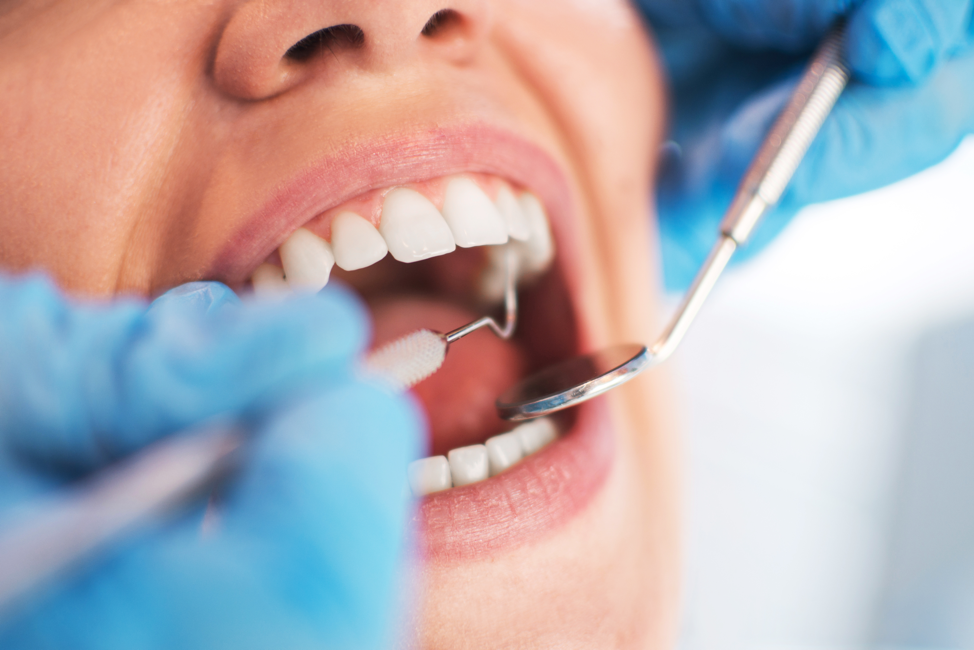
10. Visit Your Dentist Regularly
Regular dental checkups are essential—even if your teeth feel fine.
Why it’s important:
- Early detection of issues
- Professional cleaning
- Preventive care
Recommendation:
- Visit your dentist every 6 months
Professional care complements your daily routine and ensures long-term dental health.
Bonus Tips for Extra Care
To take your dental hygiene to the next level, consider these additional habits:
1. Clean Your Tongue
Bacteria can accumulate on your tongue, causing bad breath. Use a tongue scraper or your toothbrush to clean it daily.
2. Avoid Using Teeth as Tools
Don’t use your teeth to open packages or bottles—it can cause cracks and damage.
3. Wear a Mouthguard
If you grind your teeth at night or play sports, a mouthguard can protect your teeth from damage.
Common Dental Mistakes to Avoid
Even if you follow the 10 Simple Dental Care Tips, certain mistakes can harm your oral health.
Avoid these:
- Brushing immediately after eating acidic foods
- Using hard-bristled brushes
- Skipping nighttime brushing
- Ignoring bleeding gums
Being aware of these mistakes helps you maintain better dental hygiene.
Signs of Poor Dental Health
Watch out for these warning signs:
- Persistent bad breath
- Bleeding gums
- Tooth sensitivity
- Pain while chewing
- Loose teeth
If you notice any of these, consult a dentist immediately.
Daily Dental Care Routine (Simple Plan)
Here’s an easy routine you can follow:
Morning:
- Brush teeth (2 minutes)
- Use mouthwash
After meals:
- Rinse with water
Night:
- Brush teeth
- Floss
- Clean tongue
Consistency is key to maintaining a healthy and bright smile.
How Dental Health Affects Overall Health
Oral health is closely linked to overall health.
Poor dental hygiene may lead to:
- Heart disease
- Diabetes complications
- Respiratory infections
Taking care of your teeth is not just about appearance—it’s about protecting your entire body.

Natural Ways to Improve Dental Health
Along with the 10 Simple Dental Care Tips, you can try natural methods:
- Oil pulling with coconut oil
- Eating crunchy vegetables
- Using baking soda occasionally
However, these should complement—not replace—your regular dental routine.
Dental Care for Different Age Groups
For Children:
- Start brushing early
- Use fluoride toothpaste
- Monitor sugar intake
For Adults:
- Maintain consistent hygiene
- Address sensitivity issues
- Regular dental visits
For Seniors:
- Focus on gum health
- Manage dry mouth
- Use dentures properly
Dental care is important at every stage of life.
Final Thoughts
Maintaining a healthy smile doesn’t require complicated routines or expensive treatments. By following these 10 Simple Dental Care Tips, you can protect your teeth, improve your confidence, and support your overall health.
Quick Recap:
- Brush twice daily
- Floss regularly
- Eat a healthy diet
- Limit sugar
- Visit your dentist
Consistency is the secret to long-term dental health. Start implementing these tips today, and enjoy a brighter, healthier smile for years to come.
Frequently Asked Questions (FAQ) – 10 Simple Dental Care Tips
1. What are the 10 Simple Dental Care Tips for healthy teeth?
The 10 Simple Dental Care Tips include brushing twice daily, flossing, using mouthwash, eating a healthy diet, limiting sugar, staying hydrated, replacing your toothbrush regularly, avoiding tobacco, and visiting the dentist every 6 months. These habits help maintain strong teeth and healthy gums.
2. How often should I brush my teeth?
You should brush your teeth at least twice a day—once in the morning and once before bedtime. Brushing for 2 minutes each time is recommended for effective cleaning.
3. Is flossing really necessary?
Yes, flossing is essential. It removes plaque and food particles from areas your toothbrush cannot reach, helping prevent cavities and gum disease.
4. Which toothpaste is best for daily use?
A toothpaste that contains fluoride is best for daily use. It helps strengthen enamel, prevent cavities, and maintain overall oral health.
5. How can I naturally keep my teeth white?
To naturally maintain white teeth:
- Avoid excessive coffee, tea, and smoking
- Brush regularly
- Eat crunchy fruits and vegetables
- Drink plenty of water
6. How often should I visit the dentist?
You should visit your dentist every 6 months for regular checkups and professional cleaning, even if you don’t have any visible problems.
7. What foods are good for dental health?
Foods that are beneficial for dental health include:
- Dairy products (milk, cheese, yogurt)
- Leafy greens
- Apples and carrots
- Nuts and seeds
These foods strengthen teeth and support gum health.
8. What causes bad breath and how can I prevent it?
Bad breath is usually caused by bacteria buildup, poor oral hygiene, or food particles stuck in the mouth. You can prevent it by:
- Brushing and flossing daily
- Cleaning your tongue
- Using mouthwash
- Staying hydrated
9. Can drinking water improve dental health?
Yes, drinking water helps wash away food particles, neutralize acids, and promote saliva production, all of which protect your teeth.
10. What are common dental care mistakes to avoid?
Common mistakes include:
- Brushing too hard
- Skipping flossing
- Not replacing your toothbrush on time
- Ignoring bleeding gums
- Consuming too much sugar
Avoiding these mistakes is crucial for maintaining good oral hygiene.
11. Are electric toothbrushes better than manual ones?
Electric toothbrushes can be more effective at removing plaque and are easier to use correctly, but a manual toothbrush works just as well if used properly.
12. How does sugar damage teeth?
Sugar feeds harmful bacteria in the mouth, which produce acids that weaken enamel and cause cavities.
13. What is the best daily dental care routine?
A simple daily routine includes:
- Brushing twice a day
- Flossing once daily
- Using mouthwash
- Rinsing after meals
14. Can poor dental hygiene affect overall health?
Yes, poor oral hygiene can increase the risk of serious health problems like heart disease, diabetes, and infections.
15. How can I protect my teeth from cavities?
To prevent cavities:
- Follow the 10 Simple Dental Care Tips
- Limit sugary foods
- Maintain proper oral hygiene
- Visit your dentist regularly

Really great visual appeal on this website , I’d value it 10 10.
Bạn có thể tạo nhiều tài khoản phụ trong 188V (nếu cần) để quản lý ngân sách theo mục đích: giải trí, đầu tư, thử nghiệm chiến lược… TONY06-16