Maintaining perfect oral hygiene is not just about having a bright smile—it’s a cornerstone of overall health and confidence. Poor dental care can lead to cavities, gum disease, bad breath, and even serious health conditions like heart disease and diabetes. The good news? Achieving excellent oral health doesn’t require complicated routines—just consistent daily habits.
In this comprehensive guide, we’ll explore the top daily habits for perfect oral hygiene, helping you build a routine that keeps your teeth strong, your gums healthy, and your breath fresh all day long.
Why Oral Hygiene Matters
Before diving into the habits, it’s important to understand why oral hygiene is so crucial.
Your mouth is home to millions of bacteria. While many are harmless, some can cause plaque buildup, tooth decay, and gum infections. Without proper care, these issues can escalate into:
- Cavities
- Gingivitis and periodontitis
- Tooth loss
- Bad breath (halitosis)
- Systemic health problems
Good oral hygiene doesn’t just protect your teeth—it supports your overall well-being.
1. Brush Your Teeth Twice a Day (Properly!)
Brushing is the foundation of perfect oral hygiene. However, it’s not just about brushing—it’s about brushing correctly.
Best Practices:
- Brush at least twice daily (morning and before bed)
- Use a soft-bristled toothbrush
- Brush for 2 minutes
- Hold the brush at a 45-degree angle to your gums
- Use gentle circular motions
Why It Matters:
Brushing removes plaque, a sticky film of bacteria that forms on teeth. If not removed, plaque hardens into tartar, leading to gum disease.
2. Use Fluoride Toothpaste
Fluoride is a key ingredient for strong teeth and cavity prevention.
Benefits of Fluoride:
- Strengthens tooth enamel
- Prevents tooth decay
- Reverses early stages of cavities
Tip:
Always choose a toothpaste that contains fluoride and avoid rinsing immediately after brushing—this allows fluoride to work longer.
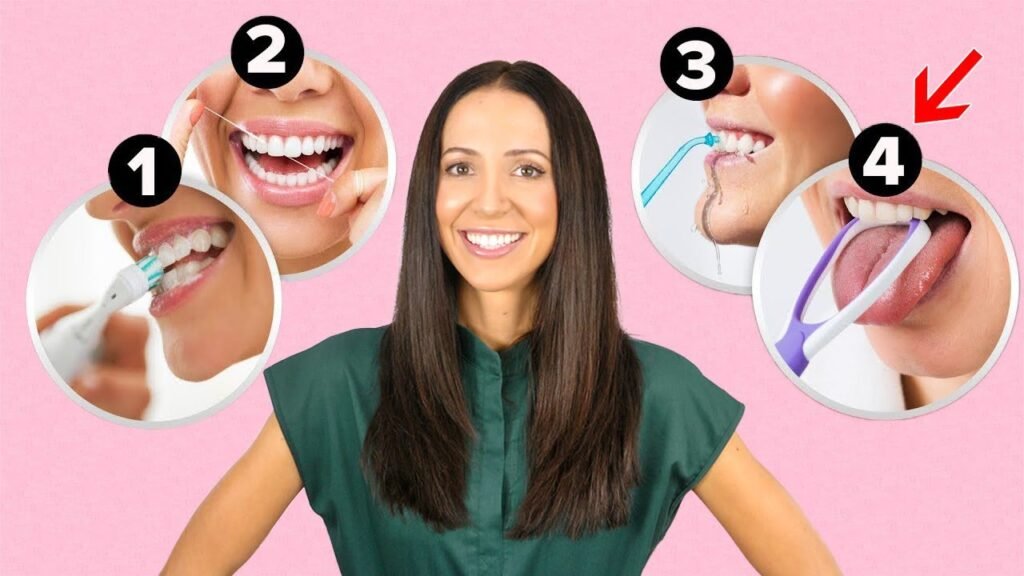
3. Floss Daily (Don’t Skip This!)
Many people ignore flossing, but it’s just as important as brushing.
Why Flossing is Essential:
- Removes food particles between teeth
- Prevents plaque buildup in hard-to-reach areas
- Reduces risk of gum disease
How to Floss Properly:
- Use about 18 inches of floss
- Gently slide between teeth
- Curve into a “C” shape around each tooth
- Avoid snapping floss into gums
Flossing once a day can dramatically improve your oral health.
4. Rinse with Mouthwash
Mouthwash is not a replacement for brushing or flossing—but it’s a powerful addition.
Benefits:
- Kills bacteria
- Freshens breath
- Reduces plaque
- Helps prevent gum disease
Tip:
Use an alcohol-free mouthwash to avoid dryness and irritation.
5. Clean Your Tongue Daily
Your tongue harbors bacteria that can cause bad breath and oral infections.
How to Clean:
- Use a tongue scraper or toothbrush
- Gently scrape from back to front
- Rinse after each pass
Result:
Cleaner tongue = fresher breath and fewer bacteria in your mouth.
6. Stay Hydrated
Water plays a major role in maintaining oral hygiene.
Benefits:
- Washes away food particles
- Neutralizes acids in the mouth
- Prevents dry mouth
Tip:
Drink water after meals, especially if you can’t brush immediately.
7. Follow a Tooth-Friendly Diet
What you eat directly affects your oral health.
Foods That Promote Oral Hygiene:
- Crunchy fruits and vegetables (apples, carrots)
- Dairy products (milk, cheese, yogurt)
- Nuts and seeds
- Green tea
Foods to Limit:
- Sugary snacks and drinks
- Sticky foods (candies, toffees)
- Acidic beverages (soda, energy drinks)
Why It Matters:
Sugar feeds harmful bacteria, leading to acid production that erodes enamel.
8. Avoid Frequent Snacking
Constant snacking keeps your teeth exposed to acids.
Better Approach:
- Eat at regular meal times
- Limit between-meal snacks
- Choose healthy options
Giving your mouth time to recover between meals helps protect enamel.
9. Replace Your Toothbrush Regularly
An old toothbrush is less effective and can harbor bacteria.
When to Replace:
- Every 3–4 months
- When bristles are frayed
- After illness
Tip:
Consider using an electric toothbrush for better plaque removal.
10. Don’t Brush Too Hard
Brushing aggressively can damage your teeth and gums.
Risks:
- Enamel erosion
- Gum recession
- Tooth sensitivity
Solution:
Use gentle pressure and let the brush do the work.
11. Limit Tobacco and Alcohol
Both tobacco and excessive alcohol harm oral health.
Effects:
- Stained teeth
- Bad breath
- Increased risk of oral cancer
- Gum disease
Advice:
Quitting tobacco and reducing alcohol intake can significantly improve your oral hygiene.
12. Visit Your Dentist Regularly
Even with perfect daily habits, professional care is essential.
Recommended:
- Dental check-up every 6 months
- Professional cleaning
- Early detection of issues
Why It Matters:
Dentists can catch problems before they become serious.
13. Use Dental Tools for Better Cleaning
Enhance your routine with additional tools:
Options:
- Interdental brushes
- Water flossers
- Electric toothbrushes
These tools are especially useful for people with braces or tight teeth spacing.
14. Protect Your Teeth at Night
If you grind your teeth (bruxism), it can damage enamel.
Solution:
- Use a night guard
- Consult your dentist
Benefit:
Prevents wear and tear on your teeth.
15. Maintain a Consistent Routine
Consistency is the key to perfect oral hygiene.
Daily Routine Example:
Morning:
- Brush teeth
- Clean tongue
- Use mouthwash
Night:
- Brush teeth
- Floss
- Rinse with mouthwash
Sticking to a routine ensures long-term oral health.
Common Mistakes to Avoid
Even with good intentions, many people make mistakes:
- Skipping flossing
- Brushing for less than 2 minutes
- Using a hard-bristled toothbrush
- Not cleaning the tongue
- Ignoring dental visits
Avoiding these mistakes can significantly improve your oral hygiene.
Signs of Poor Oral Hygiene
Watch out for these warning signs:
- Bleeding gums
- Persistent bad breath
- Tooth sensitivity
- Yellow or stained teeth
- Pain while chewing
If you notice any of these, take action immediately.
Benefits of Perfect Oral Hygiene
Following these daily habits offers numerous benefits:
- Bright, confident smile
- Fresh breath
- Strong teeth and healthy gums
- Reduced dental costs
- Better overall health
Final Thoughts
Achieving perfect oral hygiene isn’t about expensive treatments—it’s about consistent daily habits. By brushing properly, flossing daily, eating a balanced diet, and visiting your dentist regularly, you can maintain a healthy and beautiful smile for life.
Start implementing these top daily habits for perfect oral hygiene today, and you’ll notice the difference not just in your smile—but in your overall health and confidence.
Frequently Asked Questions (FAQs) – Top Daily Habits for Perfect Oral Hygiene
1. What are the most important daily habits for perfect oral hygiene?
The most important daily habits for perfect oral hygiene include brushing your teeth twice a day, flossing daily, using mouthwash, cleaning your tongue, and maintaining a healthy diet. Consistency in these habits is key to preventing dental problems.
2. How often should I brush my teeth for good oral hygiene?
You should brush your teeth at least twice a day—once in the morning and once before bedtime. Each brushing session should last at least 2 minutes to effectively remove plaque and bacteria.
3. Is flossing really necessary for perfect oral hygiene?
Yes, flossing is essential. It removes food particles and plaque from areas where your toothbrush cannot reach, especially between teeth and along the gum line. Skipping flossing can lead to gum disease and cavities.
4. Can mouthwash replace brushing and flossing?
No, mouthwash cannot replace brushing and flossing. It should be used as a supplement to your oral hygiene routine, not a substitute. Brushing and flossing physically remove plaque, while mouthwash helps kill bacteria and freshen breath.
5. What type of toothbrush is best for oral hygiene?
A soft-bristled toothbrush is best for maintaining perfect oral hygiene. It effectively cleans your teeth without damaging enamel or irritating your gums. Electric toothbrushes can also be more effective for some people.
6. How often should I change my toothbrush?
You should replace your toothbrush every 3 to 4 months, or sooner if the bristles become frayed. Using a worn-out toothbrush reduces cleaning effectiveness and may harbor bacteria.
7. Does diet affect oral hygiene?
Yes, your diet plays a major role in oral hygiene. Foods high in sugar and acid can damage your teeth, while healthy foods like fruits, vegetables, and dairy products help strengthen enamel and promote gum health.
8. How can I prevent bad breath naturally?
To prevent bad breath:
- Brush and floss regularly
- Clean your tongue daily
- Stay hydrated
- Avoid strong-smelling foods
- Use mouthwash
Maintaining these habits ensures fresher breath and better oral hygiene.
9. Is it okay to brush teeth after every meal?
Brushing after meals can be beneficial, but it’s best to wait at least 30 minutes, especially after consuming acidic foods or drinks. Brushing immediately can damage softened enamel.
10. Why do my gums bleed when I brush or floss?
Bleeding gums are often a sign of gingivitis, an early stage of gum disease caused by plaque buildup. Improving your oral hygiene routine and flossing regularly can help, but if bleeding persists, consult a dentist.
11. How often should I visit the dentist?
You should visit your dentist every 6 months for routine check-ups and professional cleaning. Regular visits help detect and prevent serious dental issues early.
12. Can poor oral hygiene affect overall health?
Yes, poor oral hygiene has been linked to serious health conditions such as heart disease, diabetes, and infections. Maintaining perfect oral hygiene supports overall health and well-being.
13. What is the correct order of oral hygiene steps?
For best results, follow this order:
- Floss
- Brush teeth
- Clean your tongue
- Use mouthwash
This sequence ensures thorough cleaning and maximum effectiveness.
14. Are natural remedies effective for oral hygiene?
Some natural remedies like oil pulling, saltwater rinses, and herbal products can support oral hygiene, but they should not replace brushing, flossing, or professional dental care.
15. How long does it take to see improvements in oral hygiene?
With consistent daily habits, you may notice improvements in 1–2 weeks, such as fresher breath and healthier gums. Long-term benefits develop over months of proper care.


NerveCalm is a high-quality nutritional supplement crafted to promote nerve wellness, ease chronic discomfort, and boost everyday vitality.
PurDentix is a revolutionary oral health supplement designed to support strong teeth and healthy gums. It tackles a wide range of dental concerns, including gum inflammation and tooth decay
AquaSculpt is a high-quality metabolic support supplement created to help the body utilize fat more efficiently while maintaining steady
Backbiome is an advanced daily wellness supplement formulated to help support spinal comfort, reduce feelings of built-up tension, and promote freer, smoother movement throughout everyday life.
Boostaro is a modern mens wellness formula created to support daily vitality, stamina, and confidence through a practical, natural routine.
I gotta favorite this web site it seems very beneficial invaluable
Mình thấy pikashow apk phù hợp cho người mới vì mọi thao tác đều khá dễ hiểu. TONY07-08
Trước đây mình từng gặp vài nơi tải chậm nhưng từ khi dùng slot365 vip thì trải nghiệm ổn định hơn hẳn. TONY07-08