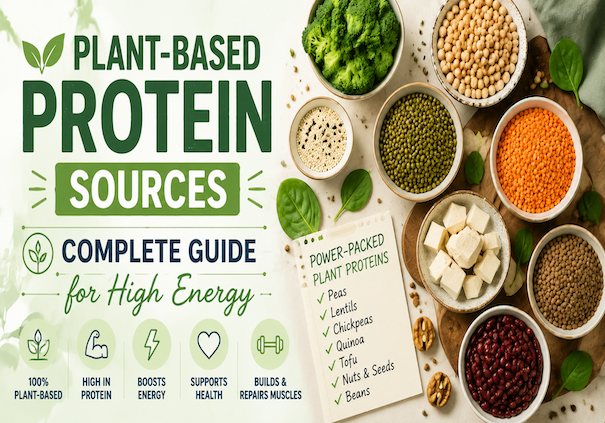
Whether you are transitioning to a fully vegan lifestyle, adopting a flexitarian eating pattern, or simply trying to incorporate more nutrient-dense meals into your weekly menu, getting enough protein is a top priority. A common misconception surrounding plant-centered diets is that it is difficult to meet your daily protein requirements without consuming meat or dairy. However, nature offers a rich array of clean, sustainable options.
Diversifying your diet with rich plant-based protein sources provides your body with essential building blocks while delivering abundant dietary fiber, essential vitamins, minerals, and protective antioxidants—compounds completely absent from animal proteins.
Why Choose Plant-Based Protein Sources?
Protein plays a critical role in repair, muscle recovery, immune function, and hormone production. While animal products provide complete protein profiles, relying heavily on processed or high-fat meats can sometimes lead to elevated cholesterol and digestive sluggishness.
Incorporating varied plant-based protein sources into your daily meal rotation offers distinct health and wellness advantages:
- Improved Digestive Health: Plant proteins come naturally packaged with dietary fiber, promoting healthy gut flora and smooth digestion.
- Lower Saturated Fat: Replacing animal protein with plant alternatives supports cardiovascular health and balanced cholesterol levels.
- Enhanced Nutrient Density: Plant sources deliver complex carbohydrates, phytonutrients, magnesium, potassium, and iron alongside their protein content.
- Reduced Inflammation: Plant-dense diets are packed with antioxidants that help combat oxidative stress throughout the body.
Top Plant-Based Protein Sources to Add to Your Diet
To optimize your daily nutrition, aim to combine a variety of these high-protein plant foods across your meals.
1. Legumes: Lentils, Chickpeas, and Black Beans
Legumes are nutritional powerhouses and represent some of the most affordable plant-based protein sources available globally. Cooked lentils provide roughly 18 grams of protein per cup, making them an excellent base for stews, curries, and salads. Chickpeas and black beans pack around 15 grams per cup and work exceptionally well in grain bowls, homemade dips, and veggie burgers.
2. Whole Soy: Tofu, Tempeh, and Edamame
Soybeans are one of the few plant foods that qualify as a complete protein, meaning they contain all nine essential amino acids that your body cannot produce on its own.
- Tempeh: Made from fermented soybeans, tempeh yields a dense, nutty texture and packs roughly 20 grams of protein per 3-ounce serving.
- Tofu: Versatile and ready to absorb any flavor profile, tofu offers around 10–15 grams of protein per serving.
- Edamame: Young soybeans served in the pod deliver about 17 grams of protein per cooked cup.
3. Grains and Seeds: Quinoa, Amaranth, and Hemp Seeds
While grains are often categorized strictly as carbohydrates, several ancient grains and seeds supply substantial protein content:
- Quinoa: Another complete protein source, delivering 8 grams per cooked cup along with rich iron and fiber content.
- Hemp Seeds: Adding three tablespoons of raw hemp seeds to smoothies or oatmeal provides a massive 10 grams of complete protein, along with healthy omega-3 fatty acids.
- Chia & Flaxseeds: Excellent for toppings, providing 4–5 grams of protein per two-tablespoon serving alongside prebiotic fiber.
4. Nuts and Nut Butters
Almonds, walnuts, peanuts, and cashews offer quick, portable nutrition. A quarter-cup of whole almonds or two tablespoons of natural peanut butter provides approximately 7–8 grams of protein along with healthy monounsaturated fats that keep you satiated between meals.
Protein Breakdown Across Key Plant Foods
| Food Source | Serving Size | Average Protein Content | Key Secondary Nutrients |
| Tempeh | 3 oz (85g) | ~20 grams | Probiotics, Iron, Calcium |
| Cooked Lentils | 1 cup (198g) | ~18 grams | Folate, Fiber, Iron |
| Edamame | 1 cup (155g) | ~17 grams | Vitamin K, Fiber, Folate |
| Hemp Seeds | 3 tbsp (30g) | ~10 grams | Omega-3s, Magnesium, Zinc |
| Cooked Quinoa | 1 cup (185g) | ~8 grams | Complex Carbs, Fiber, B-Vitamins |
| Peanut Butter | 2 tbsp (32g) | ~8 grams | Healthy Fats, Vitamin E |
How to Meal Prep for Optimal Protein Intake
Maximizing the benefits of plant-based protein sources comes down to thoughtful meal composition. Use these simple strategies to ensure balanced nutrition throughout the week:
- Combine Complementary Proteins: While you do not need to combine complete amino acids in a single bite, eating a mix of grains (like brown rice) and legumes (like beans) throughout the day ensures your body receives all essential amino acids.
- Batch Cook Staples: Prepare a large pot of quinoa, roasted chickpeas, and lentils over the weekend to quickly assemble high-protein bowls during busy weekdays.
- Boost Every Snack: Sprinkle hemp seeds or chia seeds over fruit, add nut butter to whole-grain toast, or keep roasted edamame nearby for convenient snacking.
Follow for more
Frequently Asked Questions (FAQs)
Do plant-based proteins build muscle as effectively as animal protein?
Yes. As long as you consume adequate total calories and hit your daily protein targets with a diverse range of amino acids, plant-based proteins support muscle repair and hypertrophy just as effectively as animal sources.
What is a “complete” plant protein?
A complete protein contains adequate amounts of all nine essential amino acids required by the human body. Plant-based examples include soy products (tofu, tempeh, edamame), quinoa, amaranth, hemp seeds, and chia seeds.
How much plant protein do I need per day?
General dietary guidelines recommend a minimum of 0.8 grams of protein per kilogram of body weight (around 0.36 grams per pound). Active individuals, athletes, or those looking to build muscle may benefit from 1.2 to 2.0 grams per kilogram.
Can I get enough iron on a plant-based diet?
Absolutely. Many high-protein plant foods—such as lentils, beans, tofu, and pumpkin seeds—are rich in non-heme iron. Pair these foods with Vitamin C sources (like bell peppers, citrus, or tomatoes) to enhance iron absorption significantly.
Final Thoughts
Transitioning toward vibrant, nutrient-packed plant-based protein sources is an effective way to improve your overall health, boost daily energy levels, and support sustainable eating habits. By combining legumes, whole grains, seeds, and soy products, you can easily build satisfying, protein-rich meals that nourish your body from the inside out.