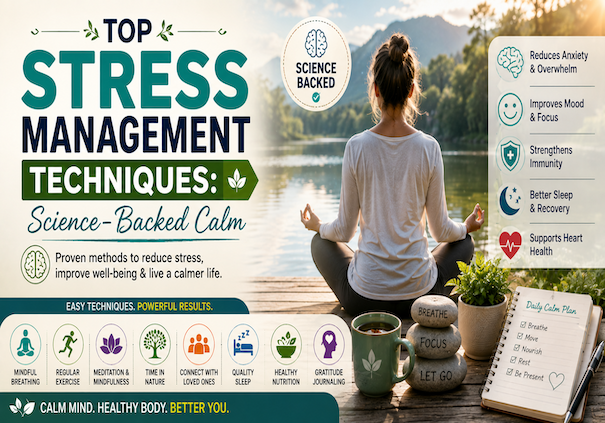
In today’s fast-paced environment, learning effective stress management techniques is essential for maintaining physical health, mental clarity, and emotional stability. Stress is a natural physiological reaction to perceived challenges, but chronic activation of your body’s “fight-or-flight” system elevates cortisol, disrupts sleep, and drains energy over time.
Rather than attempting to eliminate life’s demands entirely, practicing targeted stress management techniques allows you to shift your nervous system out of high alert and back into a state of balanced composure.
How Stress Impacts the Body and Mind
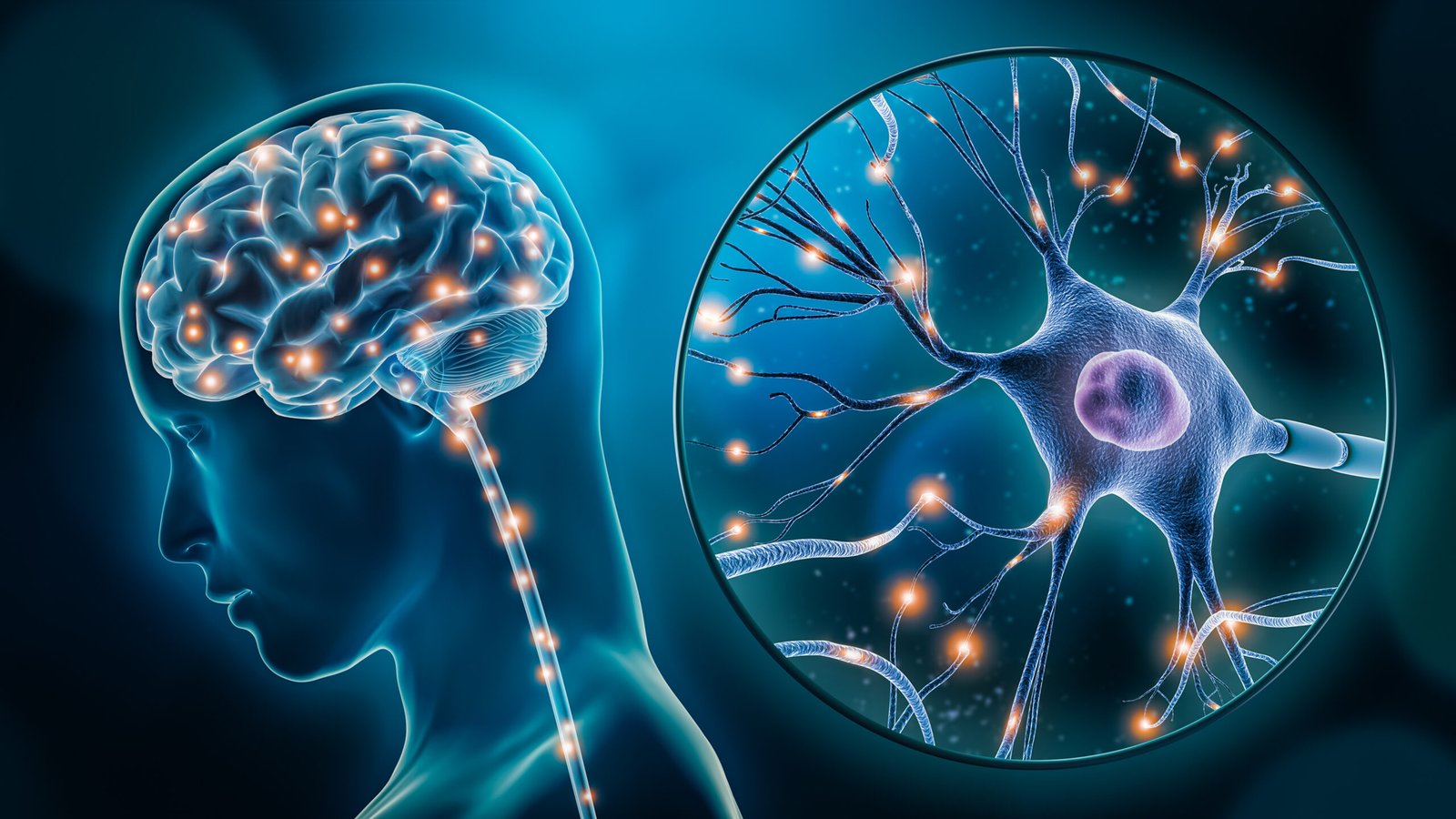
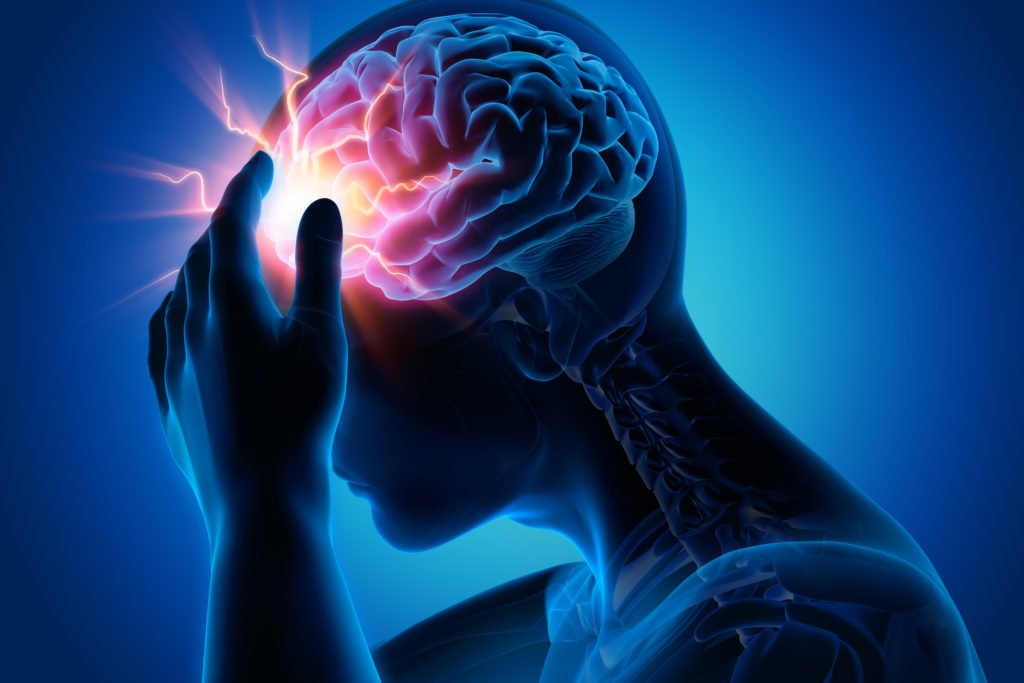
When you encounter a perceived stressor, your hypothalamus triggers a surge of adrenaline and cortisol. This autonomic response increases heart rate, heightens muscle tension, and redirects blood flow toward core muscle groups.
While acute stress can heighten focus during immediate emergencies, persistent elevated stress
without recovery periods leads to physiological exhaustion, systemic inflammation, and burnout. Implementing structured coping methods helps reset this autonomic loop before long-term health is affected.
High-Impact Categories of Stress Management Techniques
1. Fast-Acting Somatic Resets
Somatic techniques leverage physical movement and respiratory control to manually signal safety to the nervous system via the vagus nerve:
- Diaphragmatic “Belly” Breathing: Deep breathing that expands the abdomen rather than the chest activates the parasympathetic response.
- The 4-7-8 Breathing Method: Inhaling for 4 seconds, holding for 7 seconds, and exhaling slowly for 8 seconds helps rapidly lower elevated heart rates.
- Progressive Muscle Relaxation (PMR): Systematically tensing and releasing muscle groups from head to toe releases stored somatic tension.
2. Cognitive Reframing Strategies
How you interpret a situation directly influences your biological stress load:
- Identify Cognitive Distortions: Reframe catastrophic thinking by evaluating situations objectively rather than through emotional impulse.
- Focus on Control Boundaries: Separate events into what you can directly influence versus what is beyond your control to conserve mental energy.
3. Sustainable Lifestyle Foundation
Long-term psychological resilience is supported by daily physiological habits:
- Rhythmic Physical Activity: 20 to 30 minutes of moderate aerobic exercise (walking, cycling, or swimming) metabolizes excess cortisol and releases endorphins.
- Consistent Sleep Schedules: Maintaining a dark, cool bedroom and avoiding screens before sleep regulates evening melatonin levels.
- Structured Microbreaks: Taking brief 5-minute movement or breathing breaks every hour interrupts continuous workplace stress accumulation.
Strategic Comparison of Coping Methods
| Technique Category | Specific Strategy | Time Needed | Primary Benefit |
| Immediate Relief | Diaphragmatic / 4-7-8 Breathing | 2–5 Minutes | Rapidly reduces heart rate & calms acute panic |
| Physical Release | Progressive Muscle Relaxation (PMR) | 10–15 Minutes | Discharges physical body tension & improves sleep |
| Mindset Shift | Cognitive Reframing & Journaling | 10–20 Minutes | Interrupts worry loops & clarifies action steps |
| Long-Term Resilience | Aerobic Exercise & Sleep Hygiene | 30–60 Minutes | Lowers baseline cortisol & improves overall energy |
Actionable Steps to Implement Daily
- Establish a Morning Grounding Habit: Begin your day with 5 minutes of focused breathing or light stretching before opening digital notifications.
- Set Workday Boundaries: Schedule short movement breaks throughout your day to step away from screens and change your physical environment.
- Practice Saying No: Protect your schedule by setting clear boundaries around personal bandwidth and avoiding non-essential commitments.
- Disconnect at Night: Implement a digital sunset by turning off work emails and heavy media consumption 60 minutes before bedtime.
For additional mental health research, clinical resources, and wellness standards, explore public health directories across canada
.
Frequently Asked Questions (FAQs)
What are the fastest stress management techniques for acute anxiety?
Diaphragmatic breathing (such as the 4-7-8 technique), splashing cold water on your face, and the 5-4-3-2-1 sensory grounding exercise offer the fastest ways to interrupt an acute stress reaction within minutes.
How does physical exercise help reduce stress?
Exercise stimulates the release of endorphins—your brain’s natural mood elevators—while simultaneously metabolizing excess circulating adrenaline and cortisol built up during stressful events.
Can stress management techniques improve sleep quality?
Yes. Practicing relaxation techniques such as Progressive Muscle Relaxation or guided meditation prior to bedtime lowers sympathetic arousal, making it easier for your body to transition into deep, restorative sleep cycles.
Final Thoughts on Stress Management
Mastering effective stress management techniques is a continuous process of self-awareness and practice. By combining fast-acting physical resets with sustainable lifestyle habits, you build a versatile toolkit that protects your long-term health and keeps you calm under pressure.
I really enjoy looking through on this website , it contains great articles.
You have brought up a very great details , thanks for the post.